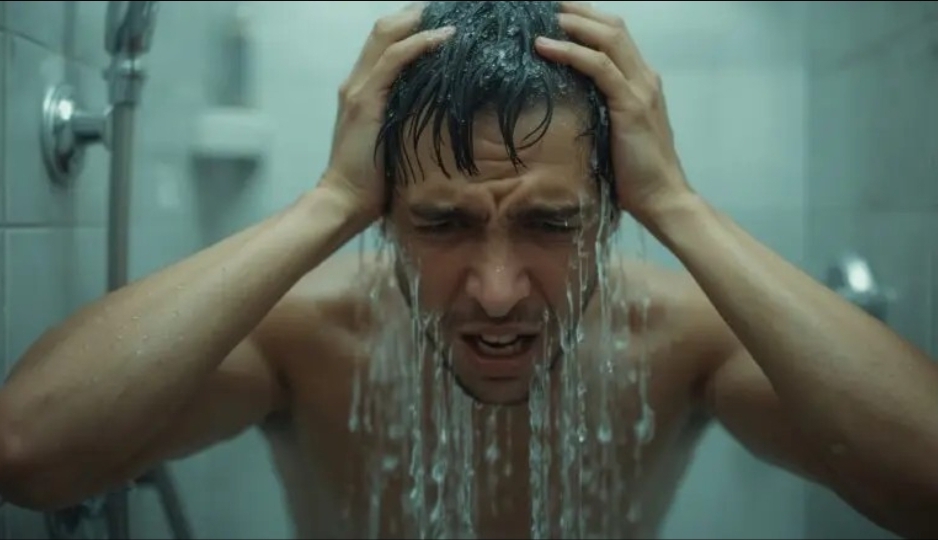
Cold showers and ice baths have moved from a niche recovery practice into mainstream wellness. Athletes, fitness enthusiasts, and people interested in building mental resilience increasingly use cold exposure as part of their routines.
But what actually happens when the body is suddenly exposed to cold water? Does cold exposure really affect dopamine and norepinephrine? Can it support recovery and mood? And how can beginners start without going too far?
The science is more nuanced than many social-media claims suggest. Cold exposure creates a significant physiological stress response, but the potential benefits depend on how it is used, how often it is practiced, and the individual’s health and tolerance.
What Is Cold Exposure Therapy?
Cold exposure therapy refers to deliberately exposing the body to cold temperatures for a limited period. Common methods include cold showers, ice baths, cold-water immersion, and outdoor cold-water exposure.
The goal is not simply to tolerate discomfort. Rather, controlled exposure produces a temporary physiological challenge that activates several systems in the body.
Why Does Cold Exposure Attract So Much Attention?
Cold exposure has become popular because it is inexpensive, accessible, and easy to experiment with. A cold shower requires no specialized equipment, while an ice bath can be introduced when someone is already comfortable with colder temperatures.
People commonly try cold exposure for:
- Mental resilience
- Alertness and energy
- Exercise recovery
- Mood and stress management
- Building consistency and discipline
However, popularity does not automatically mean that every claimed benefit is scientifically established.
Why It Works — The Science
The Physiological Reason
Sudden cold exposure activates the body’s stress-response systems. Blood vessels near the skin constrict, heart rate and breathing can change, and the sympathetic nervous system becomes more active.
These reactions are part of the body’s attempt to maintain core temperature and respond to the environmental stressor.
The Neurological Reason
Cold exposure also affects neurotransmitter activity, including norepinephrine and dopamine. Research has shown measurable changes in these systems during or after cold exposure, although the exact size and duration of the effect can vary considerably.
This is one reason cold exposure can feel stimulating or mentally energizing.
What Research Says About Cold Exposure Therapy
Scientific research suggests that cold-water exposure can produce measurable physiological responses. Some studies have investigated effects involving circulation, stress responses, inflammation, mood, and exercise recovery.
Research also suggests that cold exposure should not be viewed as a universal treatment for anxiety, depression, or other medical conditions. Evidence for many popular claims remains limited or mixed.
The most reasonable approach is to view cold exposure as a wellness and conditioning practice, rather than a replacement for medical treatment.
The 3-Step Framework for Starting Cold Exposure Safely
Step 1 — Start Small
Beginners do not need to start with an extreme ice bath. A practical starting point is a normal shower followed by a short period of cooler water. The initial goal should be learning how your body responds rather than proving how much discomfort you can tolerate.
Step 2 — Progress Gradually
Once short exposures become manageable, duration or cold intensity can be increased gradually. There is no requirement to reach extremely cold temperatures. More intense exposure is not automatically more beneficial.
Step 3 — Observe Honestly
Pay attention to how you feel during and after exposure. If you experience severe discomfort, dizziness, unusual shortness of breath, chest pain, confusion, or other concerning symptoms, stop the exposure and seek appropriate medical advice.
Does Cold Exposure Actually Increase Dopamine?
Cold exposure has been associated with changes in catecholamines such as norepinephrine and dopamine. This has contributed to claims that cold showers can create a powerful and long-lasting dopamine boost.
Dopamine and Norepinephrine Response
Cold stress activates the sympathetic nervous system, which can increase catecholamine activity. However, online claims sometimes present specific percentage increases as though they apply equally to everyone. Real physiological responses depend on temperature, exposure duration, individual characteristics, and study conditions.
Mood and Brain Activity
Some people report feeling more alert and energized after cold exposure. Research into mood and brain effects is ongoing, but cold exposure should not be considered a standalone treatment for depression or anxiety.
Stress, Sleep, and Recovery
Cold exposure may influence perceived recovery and stress responses, but timing matters—particularly for athletes. Using cold immediately after resistance training may not always be desirable because some inflammatory signaling is involved in muscular adaptation.
5 Practical Strategies You Can Start Today
Strategy 1 — Start With a Short Exposure
Begin with a manageable cold exposure rather than an extreme ice bath.
Strategy 2 — Control Your Breathing
Cold water can trigger an involuntary gasp and rapid breathing. Focus on calm, controlled breathing and leave the water if you cannot regain control.
Strategy 3 — Consider Exercise Timing
If muscle growth and strength adaptation are major goals, think carefully about when you use cold-water immersion around resistance training.
Strategy 4 — Track Your Response
Record exposure duration, how you felt afterward, sleep quality, and exercise recovery. This gives you a more useful picture than relying on social-media claims.
Strategy 5 — Choose Consistency Over Extremes
A sustainable routine is generally more useful than occasional extreme exposures.
Common Mistakes People Make
One of the biggest mistakes is assuming that colder and longer automatically means better.
Other common mistakes include:
- Starting with an extremely cold ice bath
- Ignoring warning symptoms
- Holding the breath during exposure
- Copying an athlete’s routine without considering individual differences
- Using cold exposure as a substitute for professional medical care
When to See a Healthcare Professional
Cold exposure places stress on the cardiovascular and nervous systems. People with cardiovascular disease, uncontrolled blood pressure, significant circulation problems, or other relevant medical conditions should discuss cold-water exposure with a healthcare professional before trying it.
Anyone who develops chest pain, fainting, severe dizziness, confusion, or difficulty breathing should stop the exposure and seek appropriate medical attention.
Key Takeaways
Cold showers and ice baths can create a powerful physiological response, including activation of the sympathetic nervous system and changes in catecholamine activity.
The potential benefits are interesting, but many popular claims about cold exposure go beyond what current research can firmly establish.
For beginners, the safest approach is simple: Start small. Progress gradually. Control your breathing. Pay attention to your body’s response.
Frequently Asked Questions
Is a cold shower enough to get started?
Yes. A cold shower is generally more accessible for beginners than an ice bath and allows exposure to be introduced gradually.
How long should a beginner stay in cold water?
There is no single duration that is appropriate for everyone. Beginners should prioritize a short, manageable exposure and increase gradually rather than chasing extreme durations.
Does cold exposure increase dopamine?
Cold exposure can affect catecholamine activity, including dopamine and norepinephrine, but the exact response varies between studies and individuals.
Can cold exposure treat depression or anxiety?
Cold exposure should not be considered a proven treatment for depression or anxiety. Anyone experiencing persistent mental-health symptoms should seek appropriate professional care.
Should I use cold exposure after strength training?
The timing may matter. Frequent immediate cold-water immersion after resistance exercise may interfere with some training adaptations, so people focused on strength or hypertrophy should consider how and when they use it.
Your 30-Day Cold Exposure Plan
Week 1 — Start Small
Begin with brief exposure to cool or cold water at the end of a normal shower. Focus on breathing calmly and becoming familiar with the sensation.
Weeks 2–3 — Build Gradually
If your body is responding well, gradually increase exposure according to your tolerance. There is no need to make the water extremely cold or the sessions excessively long.
Week 4 — Evaluate Your Results
Look back at your notes. Did you feel more alert? Did it affect your exercise recovery or routine? Were there any negative responses? Use your observations to decide whether cold exposure is actually useful for you.
Final Thought
Cold exposure is neither a miracle cure nor merely a social-media trend. It is a controlled physiological stressor that can produce measurable changes in the body.
The most sensible approach is to respect the science, avoid exaggerated claims, and introduce cold exposure progressively.
The goal should not be to tolerate the most extreme cold possible. The goal is to find a safe, sustainable practice that fits your individual needs.
Further Reading
Want to explore the science in more depth? Read our complete guide to cold showers and ice baths, including research on dopamine, stress, recovery, safety, and a practical 30-day plan.
Read the full guide: https://healthfitnessbloom.com/cold-exposure-therapy-ice-baths-science/