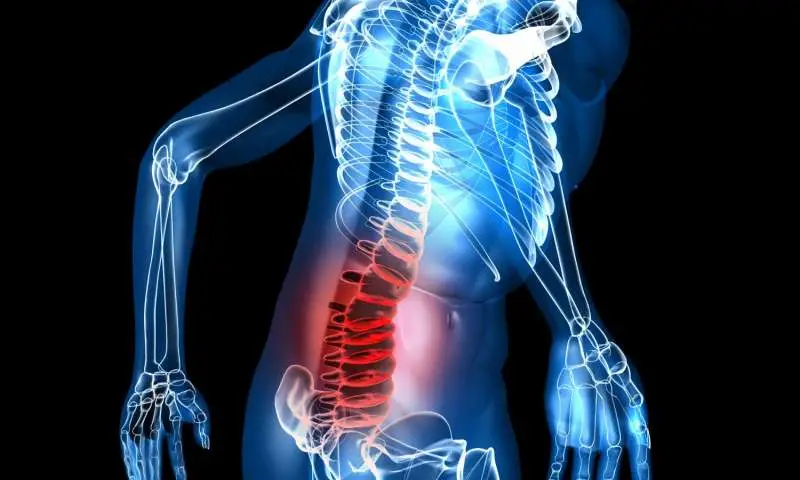
Back pain is one of the most common health complaints in the world. For many people, it starts as occasional soreness after a long day at work, heavy lifting, or too much time sitting. In some cases, the discomfort improves with rest and simple lifestyle adjustments. However, when pain becomes persistent and begins affecting everyday life, it may be a sign of a deeper spinal issue that should not be ignored.
Unfortunately, many people learn to “live with” chronic back pain for months or even years before seeking proper medical evaluation. Some assume the pain is simply part of aging, while others avoid treatment because they fear surgery or believe nothing can be done to help.
The reality is that chronic back pain can gradually affect mobility, physical health, sleep, emotional well-being, and overall quality of life if left untreated.
What Is Considered Chronic Back Pain?
Back pain is generally considered chronic when it lasts for:
- several weeks
- multiple months
- recurring long-term episodes
Unlike temporary muscle soreness, chronic pain often continues despite:
- rest
- stretching
- over-the-counter medication
- reduced activity
Some individuals experience constant discomfort, while others have symptoms that come and go but gradually worsen over time.
Persistent pain is the body’s way of signaling that something may not be functioning properly.
Chronic Pain Often Indicates an Underlying Problem
Back pain itself is not always the main problem — it is often a symptom of an underlying spinal condition.
Common causes of chronic back pain may include:
- herniated discs
- spinal stenosis
- degenerative disc disease
- arthritis
- nerve compression
- scoliosis
- spinal instability
Without proper evaluation, many patients never fully understand the source of their symptoms.
This is one reason why simply masking pain with medication may not address the actual issue causing the discomfort.
Pain Can Gradually Become Worse
One of the biggest dangers of ignoring chronic back pain is that many spinal conditions slowly progress over time.
What begins as occasional discomfort may eventually lead to:
- severe pain
- numbness
- tingling
- muscle weakness
- balance problems
- reduced mobility
Because symptoms often worsen gradually, patients may not realize how much their condition has progressed until everyday activities become difficult.
Many individuals slowly stop:
- exercising
- traveling
- walking long distances
- lifting objects
- participating in hobbies
simply to avoid triggering pain.
Nerve Compression Should Never Be Ignored
Chronic back pain is especially concerning when accompanied by nerve-related symptoms such as:
- numbness
- burning pain
- tingling
- weakness in the arms or legs
- shooting pain down the leg
These symptoms may indicate pressure on spinal nerves.
Conditions like herniated discs and spinal stenosis can compress nerves over time, potentially leading to worsening neurological symptoms if not properly treated.
In some cases, prolonged nerve compression may increase the risk of lasting weakness or chronic nerve irritation.
Reduced Mobility Impacts Overall Health
Many people underestimate how closely movement is connected to overall physical health.
When chronic pain limits activity, it may contribute to:
- muscle weakness
- weight gain
- joint stiffness
- reduced cardiovascular health
- poor flexibility
- lower energy levels
Over time, inactivity can create a cycle where the body becomes weaker and pain becomes even harder to manage.
Maintaining mobility is especially important as people age.
Sleep Problems and Mental Health Effects
Chronic pain does not only affect the body physically — it can also impact emotional well-being and mental health.
Persistent back pain may interfere with:
- sleep quality
- concentration
- mood
- productivity
- stress levels
Many patients with long-term pain report feelings of:
- frustration
- anxiety
- exhaustion
- social withdrawal
When pain becomes constant, even simple daily activities can begin to feel emotionally draining.
Many Patients Delay Treatment Out of Fear
A major reason people ignore chronic back pain is fear of surgery.
Many still associate spine treatment with:
- large incisions
- lengthy hospital stays
- painful recovery periods
- permanent activity limitations
However, modern spine care has changed significantly in recent years. Many minimally invasive procedures now allow some patients to experience:
- smaller incisions
- shorter recovery times
- less muscle disruption
- outpatient treatment
- faster return to activity
Resources from Inspired Spine have helped patients better understand modern minimally invasive spine care and newer outpatient treatment options that differ greatly from traditional open surgery approaches.
Conservative Treatments May Help — But Not Always
Many cases of chronic back pain improve with conservative treatment, including:
- physical therapy
- exercise programs
- posture correction
- anti-inflammatory medication
- spinal injections
- lifestyle changes
However, when symptoms continue worsening despite treatment, further evaluation may be necessary.
The goal is not always surgery. Instead, early diagnosis helps patients better understand:
- what is causing the pain
- how serious the condition may be
- what treatment options are available
The sooner the problem is identified, the more options patients may have.
Warning Signs That Should Not Be Ignored
Certain symptoms deserve immediate medical attention, including:
- worsening numbness
- muscle weakness
- severe leg pain
- difficulty walking
- balance problems
- loss of coordination
- bladder or bowel dysfunction
- pain interfering with daily life
Ignoring these symptoms may allow spinal problems to become more advanced over time.
Early Evaluation Can Improve Outcomes
One of the biggest advantages of seeking treatment early is having access to more treatment options before symptoms become severe.
Early evaluation may help:
- prevent worsening nerve compression
- preserve mobility
- improve pain management
- reduce long-term complications
- support better recovery outcomes
Waiting until symptoms become unbearable often makes treatment and recovery more difficult.
Final Thoughts
Chronic back pain should never be viewed as something people simply have to “live with.” Persistent pain is often a sign that the spine or surrounding nerves may require medical attention.
While not every case requires surgery, ignoring ongoing symptoms can sometimes allow spinal conditions to worsen over time and affect mobility, independence, and quality of life. Modern spine care now offers many treatment approaches — including minimally invasive options — that may help patients return to more active and comfortable lives.
Seeking professional evaluation early can help patients better understand their condition and explore the most appropriate path toward long-term relief.
READ ALSO: Tarzana Podiatry Experts: Diabetic Foot Ulcer Treatment You Can Trust