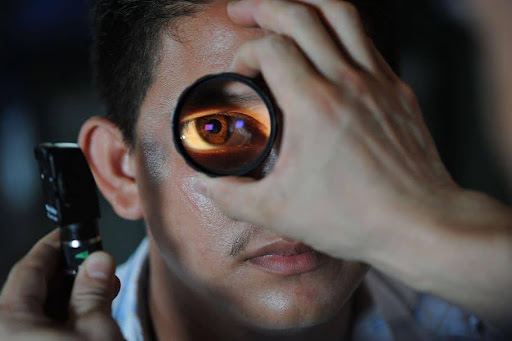
Vision is one of the most relied-upon senses, yet it’s often neglected until noticeable problems arise. Many eye conditions develop gradually, giving little warning before they begin to interfere with daily life. By the time symptoms become obvious, the underlying issue may already be well established.
Maintaining strong vision requires a combination of awareness, preventive care, and access to modern treatment options. From simple lifestyle habits to advanced surgical procedures, today’s approach to eye health is both comprehensive and increasingly personalized.
Why Everyday Eye Care Matters More Than You Think
Healthy vision starts with consistent, everyday practices. While genetics and age play a role in eye health, daily habits can significantly influence how well the eyes function over time. Small adjustments in routine can reduce strain, support long-term clarity, and delay the onset of certain conditions.
For example, proper hydration, balanced nutrition, and protection from excessive screen exposure all contribute to maintaining eye comfort and performance. These measures are simple but effective, especially when applied consistently.
Table of Contents
Building Sustainable Vision Habits
Developing sustainable habits doesn’t require drastic changes. Taking regular breaks from screens, ensuring adequate lighting, and wearing protective eyewear in bright conditions can make a noticeable difference. Over time, these practices help reduce cumulative stress on the eyes.
For those looking to refine their routine, guidance like eye wellness tips for an active and healthy lifestyle offers practical strategies that fit naturally into daily life.
Understanding the Risk of Progressive Eye Conditions
While preventive care is essential, it’s equally important to recognize that some eye conditions develop regardless of lifestyle. Diseases such as glaucoma can progress silently, gradually damaging the optic nerve without causing immediate symptoms. This makes early detection a critical factor in preserving vision.
Regular eye exams allow specialists to monitor changes in eye pressure and structure, identifying potential issues before they become severe. This proactive approach can significantly reduce the risk of long-term vision loss.
How Glaucoma Is Managed Over Time
Treatment for glaucoma often begins with medications designed to lower eye pressure. In some cases, laser treatments or surgical procedures may be recommended to improve fluid drainage within the eye. These interventions aim to slow or halt the progression of the condition.
According to Stanford Health Care’s overview of glaucoma treatments, a combination of therapies is often used to achieve the best results. Tailoring treatment to the individual ensures a more effective and sustainable outcome.
When Lifestyle Changes Aren’t Enough
Even with strong preventive habits, certain vision problems may require more advanced solutions. Refractive errors, structural issues, or progressive conditions can reach a point where corrective lenses or medications no longer provide sufficient improvement. In these situations, surgical intervention may become a practical option.
Modern eye surgery has evolved to address a wide range of conditions with greater precision and shorter recovery times. These advancements have made surgical options more accessible and less intimidating for patients.
Exploring Surgical Solutions with Confidence
Understanding surgical options is an important step in making informed decisions about eye care. Resources such as Eye Surgery Today provide detailed explanations of procedures, helping individuals compare approaches and understand what to expect.
Access to reliable information allows patients to engage more effectively with their healthcare providers and choose treatments that align with their needs and lifestyle.
The Intersection of Prevention and Advanced Care
Eye care is most effective when preventive measures and advanced treatments work together. Routine habits support overall eye health, while medical interventions address specific conditions that cannot be managed through lifestyle alone. This integrated approach ensures that care is both comprehensive and adaptable.
For example, a patient managing glaucoma may rely on both medication and regular monitoring, while also maintaining healthy habits that support overall well-being. Combining these strategies creates a stronger foundation for long-term vision preservation.
Adapting Care as Needs Change
Vision needs can evolve over time, influenced by factors such as age, health conditions, and lifestyle changes. Being open to adjusting care strategies ensures that treatment remains effective. This may involve updating prescriptions, exploring new therapies, or considering surgical options when appropriate.
Flexibility in care allows individuals to respond proactively to changes rather than reacting after problems become severe.
Looking Ahead: The Future of Vision Care
Advancements in ophthalmology continue to expand the possibilities for maintaining and improving vision. From improved diagnostic tools to more refined surgical techniques, the field is moving toward greater precision and personalization. These developments offer new opportunities for both prevention and treatment.
At the same time, increased access to information is empowering patients to take a more active role in their care. Understanding available options and staying informed about emerging treatments helps individuals make decisions that support their long-term health.
Empowering Better Decisions Through Knowledge
Education plays a key role in effective eye care. When individuals understand how their eyes function and what risks they face, they are better equipped to take meaningful action. This includes recognizing early symptoms, seeking timely care, and exploring appropriate treatment options.
Knowledge not only improves outcomes but also builds confidence in the decisions made along the way.
Conclusion
Protecting vision requires more than occasional attention—it demands a consistent and informed approach. From daily habits that support eye health to advanced treatments that address complex conditions, modern eye care offers a wide range of tools for preserving sight.
By combining prevention, awareness, and access to reliable information, individuals can take control of their vision health in a meaningful way. Clear sight is not just a result of treatment; it is the outcome of thoughtful choices made over time.