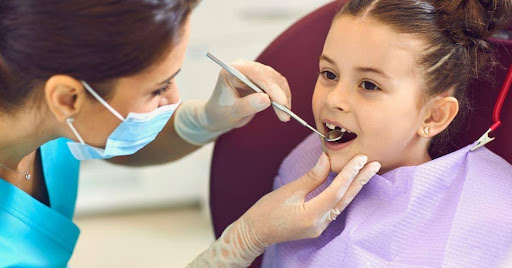
Quick Answer: What Should Parents Know About Kid’s’ Tooth Removal?
Kid’s’ tooth removal is not always the first option. A pediatric dentist first checks whether the tooth can be treated, protected, or monitored. Removal may be recommended when tooth decay, infection, injury, crowding, pain, or orthodontic needs make it the safest choice for the child’s oral health.
Key Takeaways
- Kid’s’ tooth removal is not always the first treatment option.
- Baby teeth are important for chewing, speech, spacing, and oral development.
- A pediatric dentist checks whether a tooth can be treated before recommending removal.
- Modern pediatric dental care focuses on safety, comfort, and clear parent guidance.
- Parents should ask questions before deciding on child tooth extraction.
- Tooth removal may be needed for severe decay, infection, trauma, crowding, or ongoing pain.
- Follow-up care helps protect healing, comfort, and future dental development.
Why Do Parents Worry About Kid’s’ Tooth Removal?
Parents often worry because tooth removal sounds serious. Many imagine pain, fear, or a difficult recovery. Some parents also remember stressful dental visits from their own childhood and worry their child may have the same experience.
However, tooth extraction for children is different from the way many parents picture it. Pediatric dentists use child-focused techniques, gentle communication, and careful planning to help children feel safe and comfortable.
Why Does Tooth Removal Sound Scary to Parents?
Tooth removal may sound scary because parents often connect it with discomfort. They may worry about how their child will react, whether the appointment will hurt, or whether the removal will affect adult teeth.
Parents may also feel unsure because baby teeth are temporary. They may wonder why a baby tooth needs treatment at all. These are good questions to ask during a pediatric dental checkup.
A children’s dentist can explain the reason for treatment, what options are available, and what parents can expect before and after the visit.
How Can Myths Increase Dental Anxiety?
Myths about kid’s’ tooth removal can make parents and children more anxious. For example, some people believe every extraction is painful. Others believe baby teeth do not matter because they fall out anyway.
These ideas can increase dental anxiety in children, especially if parents use frightening words before the visit. Children often respond to a parent’s tone. If a parent seems calm and confident, the child may feel more secure.
Parents should avoid scary descriptions and let the dental team explain the visit in a child-friendly way.
Why Is a Pediatric Dental Evaluation Important?
A pediatric dental evaluation helps determine whether tooth removal is actually needed. A pediatric dentist does not look only at the tooth. The dentist also considers the child’s age, comfort, tooth development, and future oral health.
During the exam, the dentist may check for tooth decay, dental infection, dental trauma, swollen gums, tooth pain, crowding, and permanent tooth development. This evaluation helps parents understand whether removal, treatment, monitoring, or follow-up care is the safest option.
Myth 1: Kid’s’ Tooth Removal Is Always the First Option
One major misconception about kid’s’ tooth removal is that dentists remove teeth quickly or unnecessarily. In pediatric dentistry, tooth removal is usually not the first choice when a tooth can be safely treated.
A pediatric dentist may first look for ways to save, restore, or protect the tooth. Removal is generally considered when keeping the tooth may cause more pain, infection, or risk to the child’s oral health.
Can a Tooth Be Treated Instead of Removed?
Yes, some baby teeth can be treated instead of removed. The right choice depends on the tooth’s condition and the child’s needs.
A pediatric dentist may consider the child’s age, how close the tooth is to falling out naturally, whether infection is present, and whether the tooth helps hold space for a permanent tooth.
If the tooth is stable and treatable, the dentist may recommend a restorative option. If the tooth is badly infected or damaged, removal may be safer.
What Tooth-Saving Treatments May Be Considered?
Tooth-saving treatments may include fillings, pediatric crowns, pulp therapy, fluoride support, or monitoring. These options depend on how much healthy tooth structure remains.
For example, a small cavity may be treated with a filling. A larger cavity may need a crown. If the inner part of the tooth is affected, pulp therapy may be discussed.
The dentist will explain whether these options are reasonable or whether child tooth removal is the better choice.
When Is Removal the Better Option?
Removal may be the better option when a tooth cannot be restored safely. This may happen with severe decay, infection, abscess, swelling, pain, or a broken tooth that cannot be repaired.
A kid’s tooth extraction may also be recommended after dental trauma or when crowding affects orthodontic planning. In some cases, removing a problem tooth helps prevent pain, protect nearby teeth, and support healthier development.
Myth 2: Baby Teeth Do Not Matter Because They Fall Out Anyway
This is one of the most common baby tooth removal misconceptions. Baby teeth are temporary, but they are still very important. They help children chew, speak, smile, and maintain proper spacing for adult teeth.
Ignoring baby tooth problems can lead to pain, infection, eating difficulties, and future dental concerns. That is why pediatric dentists take baby teeth seriously.
Why Are Baby Teeth Important?
Baby teeth help children chew food comfortably and speak clearly. They also guide permanent teeth into the right position.
Healthy baby teeth support proper jaw and bite development. They also help children build confidence with smiling, brushing, and dental visits.
When a baby tooth becomes painful or infected, it can affect a child’s eating, sleeping, behavior, and comfort. Early dental care helps prevent small problems from becoming bigger ones.
Can Losing a Baby Tooth Too Early Cause Problems?
Yes, losing a baby tooth too early can sometimes cause spacing problems. The risk depends on which tooth is removed, the child’s age, and how soon the permanent tooth is expected to come in.
If a baby tooth is lost too early, nearby teeth may shift into the open space. This can affect how the adult tooth erupts later.
A pediatric dentist can determine whether follow-up care or space maintenance is needed.
How Can Early Tooth Loss Affect Spacing?
When a tooth is removed early, nearby teeth may drift. This can reduce the space available for the permanent tooth.
If spacing becomes a concern, a dentist may recommend a space maintainer. This small dental appliance helps hold the space open until the adult tooth is ready.
Not every child needs a space maintainer. The dentist will decide based on tooth location, age, and development.
Myth 3: Kid’s’ Tooth Removal Is Always Painful
Many parents worry that tooth removal for kid’s will be painful. Modern pediatric dentistry focuses on comfort, safety, and clear communication.
The dental team helps children understand the visit in simple, non-scary language. They also use comfort options to help reduce pain and anxiety when treatment is needed.
How Do Pediatric Dentists Help Children Stay Comfortable?
Pediatric dentists are trained to care for children in an age-appropriate way. They explain treatment gently, use calm instructions, and create a child-friendly environment.
Comfort methods may include numbing the area, allowing short breaks, using distraction, and guiding the child step by step.
The goal is to help the child feel safe while completing treatment as smoothly as possible.
What Comfort Options May Be Discussed?
Comfort options depend on the child’s age, health history, anxiety level, and dental needs. A dentist may discuss local anesthesia, numbing gel, distraction techniques, nitrous oxide, or sedation dentistry when appropriate.
Parents should ask what options are recommended and why. The safest plan depends on the child and the type of treatment.
A pediatric dentist will also review instructions before and after the appointment.
How Can Parents Help Reduce Fear Before the Visit?
Parents can help by using calm, simple language. Instead of saying “pull,” “shot,” or “hurt,” parents can say the dentist will help the tooth feel better.
Avoid sharing frightening dental stories. Even casual comments can increase fear.
It is also helpful to stay positive and let the dental team explain the visit. Pediatric dental teams know how to describe treatment in a way children can understand.
Myth 4: Every Damaged Tooth Must Be Removed
Not every cracked, chipped, decayed, or injured tooth needs removal. A kid’s dentist will evaluate the tooth before making a recommendation.
Sometimes a damaged tooth can be repaired. Other times, removal may be needed to prevent pain, infection, or damage to nearby teeth.
Can a Cracked or Injured Tooth Sometimes Be Treated?
Yes, some injured teeth can be treated or monitored. The dentist will check whether the tooth is loose, whether the nerve is affected, and whether infection is present.
The dentist may also check whether the child has pain while chewing or sensitivity to temperature. If the tooth is stable and restorable, treatment may be possible.
If the tooth root is damaged or infection develops, removal may be safer.
When Does Dental Trauma Require Urgent Care?
Dental trauma should be checked quickly when a tooth is knocked out, badly loosened, broken, or pushed out of position. Parents should also call a dentist if there is swelling, bleeding that does not stop, severe pain, or injury to the gums, lips, or jaw.
Urgent dental care can help reduce discomfort and protect nearby teeth. It also gives the dentist a chance to check whether permanent teeth may be affected.
Why Should Parents Avoid Delaying Treatment?
Delaying treatment can allow decay, infection, or trauma-related problems to worsen. A small concern can turn into pain, swelling, or a more complex dental problem.
Children may not always explain dental pain clearly. They may avoid chewing, become irritable, or resist brushing.
If parents notice tooth pain, swelling, broken teeth, or gum bumps, they should schedule a pediatric dental checkup promptly.
Myth 5: Tooth Removal Will Always Harm Adult Teeth
Another common myth is that removing a baby tooth will always harm adult teeth. This is not always true. In some cases, removing an infected or damaged baby tooth may help protect future oral development.
The key is careful evaluation. A pediatric dentist checks how the baby tooth, permanent tooth, and surrounding area are developing.
How Does a Pediatric Dentist Check Permanent Tooth Development?
A pediatric dentist may examine the mouth and use dental X-rays when needed. This helps show where the permanent tooth is developing and how close the baby tooth is to falling out naturally.
The dentist may also check whether infection is near the developing adult tooth. If infection is present, removing the baby tooth may help prevent further problems.
This is why professional evaluation is important before deciding on treatment.
When Can Space Maintenance Be Needed?
A space maintainer may be needed if a baby tooth is removed before the permanent tooth is ready to come in. This device helps keep nearby teeth from shifting into the open space.
Space maintainers are not needed in every case. The dentist will consider the child’s age, which tooth was removed, and the stage of permanent tooth development.
Parents should ask whether spacing needs to be monitored after children’s tooth removal.
How Can Follow-Up Care Protect Oral Development?
Follow-up care helps the dentist monitor healing, spacing, tooth eruption, and bite development. These visits are especially helpful if a baby tooth was removed early.
The dentist may check whether the gums are healing well and whether nearby teeth are shifting. If concerns appear, early guidance may prevent more complicated issues later.
Step-by-Step Parent Preparation Guide for Kid’s’ Tooth Removal
If your child may need pediatric dental extraction, preparation can make the experience easier. Parents should focus on clear questions, calm communication, and careful aftercare.
How Should Parents Prepare Before the Appointment?
- Ask why tooth removal is being recommended
Ask whether the reason is decay, infection, trauma, crowding, pain, or another dental concern. - Ask whether treatment alternatives are possible
Ask if the tooth can be treated, restored, protected, or monitored instead of removed. - Share your child’s health history and medications
Tell the dental team about allergies, medications, medical conditions, and previous dental experiences. - Use calm, simple language when explaining the visit
Tell your child the dentist will help take care of a tooth that is causing trouble. - Avoid scary words that increase fear
Avoid words such as “pull,” “shot,” “hurt,” or “drill.” Let the dental team use child-friendly terms. - Follow pre-visit instructions from the dental team
This is especially important if comfort options or sedation are discussed. - Prepare soft foods and quiet activities for after treatment
Have simple foods, water, books, movies, or quiet games ready at home. - Follow aftercare instructions carefully
Follow guidance for eating, brushing, rest, comfort, and monitoring the healing area.
What Should Parents Ask Before Kid’s’ Tooth Removal?
Asking questions helps parents feel informed and confident. A pediatric dentist should explain why treatment is recommended, what options are available, and what aftercare involves.
Why Is the Tooth Being Removed?
Parents should ask for the specific reason. Common reasons include severe decay, infection, trauma, pain, crowding, orthodontic planning, or a baby tooth blocking a permanent tooth.
Understanding the reason helps parents make a clearer decision. It also helps them explain the treatment to their child in a calm way.
Are There Treatment Alternatives?
Parents can ask whether fillings, crowns, pulp therapy, monitoring, or preventive care are possible. In some cases, these treatments may help save the tooth.
If removal is still recommended, the dentist should explain why other options may not be safe or effective. This helps parents understand that kid’s’ tooth removal is being recommended for a reason.
What Should Parents Expect After the Procedure?
Parents should ask how long healing may take, what foods are best, and what activities should be avoided. They should also ask how to help with comfort and when brushing can return to normal.
It is also important to ask what warning signs to watch for. Clear aftercare instructions help parents feel prepared once they return home.
What Should Parents Know About Aftercare and Healing?
Post-extraction care is important for comfort and healing. Parents should follow the dental team’s instructions closely because aftercare can vary based on the child’s age, treatment, and comfort needs.
What Foods Are Best After Tooth Removal?
Soft foods are usually easiest after tooth removal. Good options may include applesauce, yogurt, mashed potatoes, scrambled eggs, soft pasta, and smooth soups that are not hot.
Parents should keep meals simple and avoid foods that require hard chewing. Encourage water and follow the dental team’s instructions about straws, rinsing, and eating.
What Should Children Avoid After Tooth Removal?
Children may need to avoid hard foods, crunchy snacks, sticky candy, very hot foods, and rough brushing near the area. The dental team may also advise avoiding straws for a period of time.
Active play may need to be limited right after treatment. Quiet activities can help the child rest and recover more comfortably.
What Healing Signs Should Parents Monitor?
Parents should watch for bleeding that does not improve, increased swelling, fever, worsening pain, refusal to eat or drink, unusual tiredness, bad taste, or drainage.
Some mild discomfort may be expected, but symptoms should improve with time. If parents are unsure, they should contact the dental office for guidance.
When Should Parents Contact a Pediatric Dentist?
Parents should contact a pediatric dentist when a child has tooth pain, swelling, injury, visible dental damage, or signs of infection. Early care can reduce discomfort and prevent more complex treatment later.
What Symptoms Should Not Be Ignored?
Parents should not ignore tooth pain, swollen gums, facial swelling, a gum bump, a broken tooth, or a loose tooth after injury.
Other warning signs include tooth discoloration after trauma, trouble chewing, sensitivity to hot or cold, and bad breath linked to a dental infection.
These symptoms may mean the child needs prompt dental care.
When Is Tooth Pain or Swelling Urgent?
Tooth pain with swelling can be urgent. Facial swelling, fever, severe pain, or spreading redness should be taken seriously.
Parents should call a pediatric dentist promptly for guidance. If symptoms seem severe or the child appears very unwell, parents should seek urgent medical or dental care.
Quick action can help protect the child’s comfort and overall health.
How Often Should Children Have Dental Checkups?
Regular dental checkups support preventive pediatric dental care. Routine visits allow the dentist to find tooth decay, crowding, bite concerns, and oral health problems early.
Preventive visits can also help children feel more comfortable at the dentist. This can reduce fear if treatment is ever needed in the future.
FAQs
Is kid’s’ tooth removal always necessary?
No. Kid’s’ tooth removal is not always necessary. A pediatric dentist first checks whether the tooth can be treated, restored, protected, or monitored. Removal may be recommended when decay, infection, trauma, crowding, or pain makes it the safest option for the child’s oral health.
Is kid’s’ tooth removal painful?
Modern pediatric dental care focuses on comfort. A pediatric dentist may use local anesthesia, child-friendly communication, and other comfort options when appropriate. Parents should ask what will be used and how the dental team helps children stay calm before, during, and after treatment.
Why would a baby tooth need to be removed?
A baby tooth may need removal because of severe decay, infection, trauma, crowding, pain, or orthodontic planning. Baby teeth matter, so dentists usually check whether the tooth can be saved before recommending removal. The safest choice depends on the tooth and the child’s development.
Can a pediatric dentist save a tooth instead of removing it?
Sometimes a pediatric dentist can save a tooth with a filling, crown, pulp therapy, or monitoring. The best option depends on the child’s age, tooth condition, infection risk, pain level, and whether the tooth supports spacing. A dental exam helps guide the decision.
Will tooth removal affect adult teeth?
Tooth removal does not always harm adult teeth. In some cases, removing an infected or damaged baby tooth may protect oral development. A pediatric dentist may check permanent tooth position and recommend follow-up care or space maintenance when needed to support proper spacing.
What should parents ask before a child’s tooth removal?
Parents should ask why removal is needed, whether treatment alternatives are possible, what comfort options are available, what aftercare involves, and whether follow-up visits are needed. Clear answers help parents understand the treatment plan and feel more confident about their child’s care.
How can parents prepare a child for tooth removal?
Parents can prepare a child by using calm, simple language and avoiding scary words. They should follow pre-visit instructions, share health history, and prepare soft foods for after treatment. It is best to let the dental team explain the visit in a child-friendly way.