Diabetes is a chronic condition that affects millions of people worldwide and can lead to a wide range of complications if not properly managed. One of the most serious and vision-threatening complications of diabetes involves damage to the eyes, particularly the retina, which is the light-sensitive tissue at the back of the eye. Among these conditions, diabetic retinopathy stands out as the leading cause of vision impairment and blindness in working-age adults across the globe.
What Is Diabetic Retinopathy?
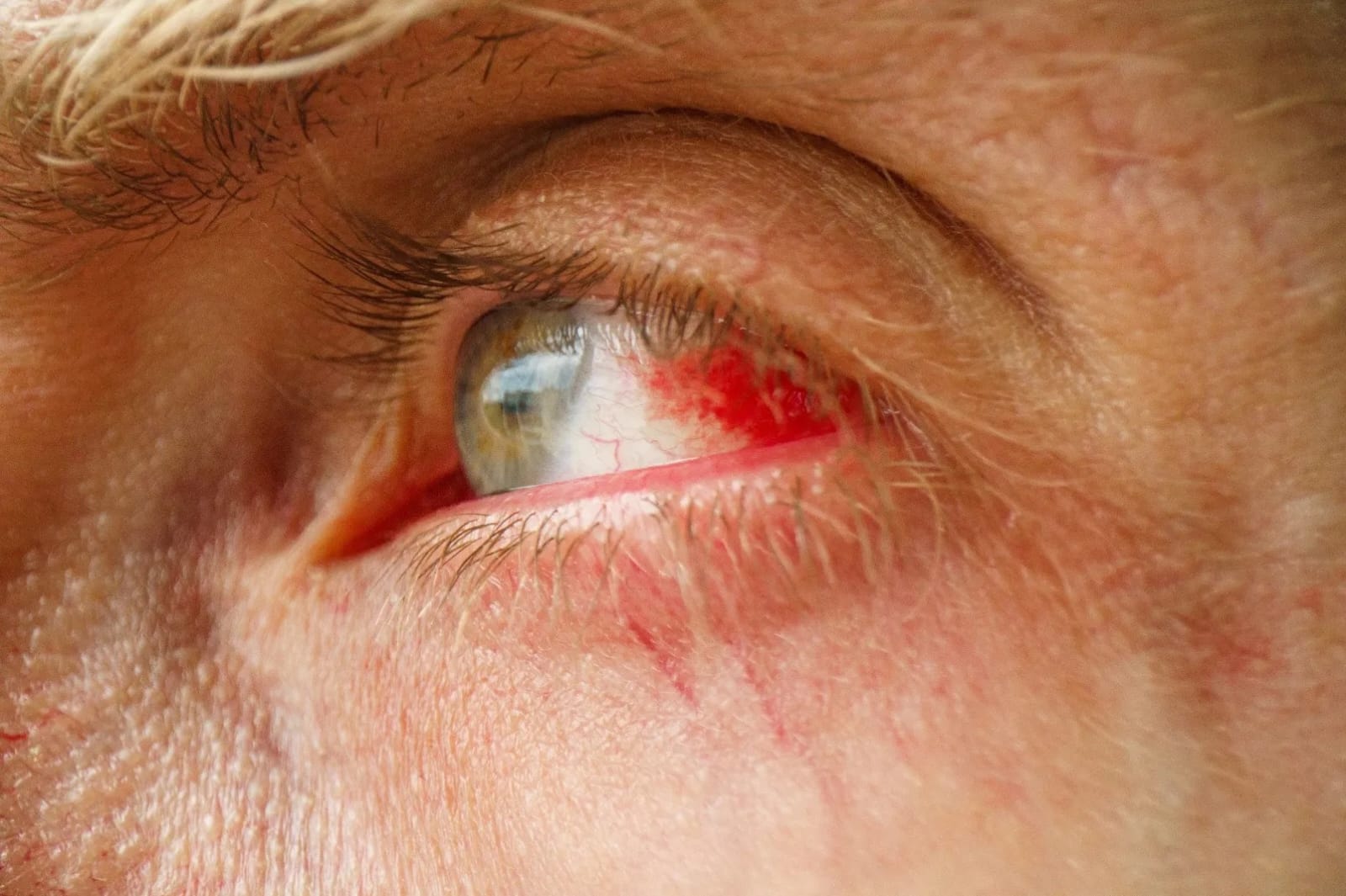
Diabetic retinopathy is an eye disease caused by prolonged high blood sugar levels that damage the tiny blood vessels in the retina. Over time, these vessels become weakened, swollen, or blocked, disrupting normal blood flow. In some cases, abnormal new blood vessels begin to grow, further increasing the risk of bleeding, scarring, and vision loss.
This condition develops gradually and often without early warning signs, which makes it especially dangerous. Many people may not realize they have diabetic retinopathy until significant vision damage has already occurred. This is why regular eye examinations are critical for anyone living with diabetes.
How Diabetic Retinopathy Develops
The disease typically progresses through four main stages:
1. Mild Nonproliferative Retinopathy
Small areas of balloon-like swelling (microaneurysms) occur in the blood vessels of the retina. At this stage, vision is usually not affected.
2. Moderate Nonproliferative Retinopathy
As the disease progresses, some blood vessels become blocked, reducing blood supply to the retina.
3. Severe Nonproliferative Retinopathy
More vessels are blocked, and the retina becomes deprived of oxygen. This triggers signals that stimulate the growth of new blood vessels.
4. Proliferative Diabetic Retinopathy (PDR)
This is the most advanced stage, where fragile new blood vessels grow abnormally. These vessels can leak blood into the vitreous (the gel-like substance in the eye), cause scar tissue, and lead to retinal detachment or glaucoma, resulting in severe vision loss or blindness.
Symptoms and Warning Signs
In the early stages, diabetic retinopathy may cause no noticeable symptoms. As the disease progresses, symptoms may include:
- Blurred or fluctuating vision
- Dark spots or floaters in the field of vision
- Difficulty seeing at night
- Faded or washed-out colors
- Sudden vision loss
- Dark or empty areas in vision
Because symptoms often appear late, relying on how your eyes feel is not enough. Routine eye exams are essential for early detection.
Risk Factors
Several factors increase the likelihood of developing diabetic retinopathy:
- Long duration of diabetes
- Poor blood sugar control
- High blood pressure
- High cholesterol levels
- Pregnancy
- Smoking
- Kidney disease
- Obesity
The longer a person has diabetes, the greater their risk of developing retinal damage, especially if blood sugar levels are not well controlled.
Diagnosis
Diabetic retinopathy is diagnosed through a comprehensive dilated eye exam performed by an eye care professional. This may include:
- Dilated retinal examination: Allows the doctor to view the retina and blood vessels clearly
- Optical coherence tomography (OCT): Produces detailed images of retinal layers
- Fluorescein angiography: Highlights blood flow in retinal vessels to detect leaks and blockages
Early diagnosis plays a crucial role in preventing permanent vision damage.
Treatment Options
Treatment depends on the stage and severity of the disease:
1. Blood Sugar and Lifestyle Management
In early stages, controlling blood glucose, blood pressure, and cholesterol can slow or stop progression. This includes:
- Healthy diet
- Regular exercise
- Medication adherence
- Smoking cessation
2. Laser Treatment (Photocoagulation)
Laser therapy helps seal leaking blood vessels and shrinks abnormal vessels to prevent further damage.
3. Anti-VEGF Injections
Medications injected into the eye reduce abnormal blood vessel growth and swelling, improving vision in many patients.
4. Vitrectomy Surgery
In advanced cases with bleeding or retinal detachment, surgery may be required to remove blood and scar tissue from the eye.
Modern treatments are highly effective, especially when the disease is caught early.
Prevention Strategies
While diabetic retinopathy cannot always be completely prevented, the risk can be significantly reduced through:
- Strict blood sugar control
- Regular eye examinations (at least once a year)
- Blood pressure management
- Healthy diet rich in vegetables, fruits, and whole grains
- Physical activity
- Avoiding smoking and excessive alcohol consumption
Prevention is not just about protecting vision—it’s about protecting overall health.
Living with Diabetic Retinopathy
A diagnosis of diabetic retinopathy can be emotionally challenging, but it does not mean inevitable blindness. Many people with this condition maintain good vision for life with proper care, monitoring, and treatment. Education, awareness, and proactive health management play a key role in maintaining independence and quality of life.
Support from healthcare professionals, family members, and diabetes educators can make a significant difference in managing both diabetes and its complications. Mental well-being is just as important as physical treatment, especially for individuals facing chronic health conditions.
The Importance of Awareness
One of the biggest dangers of diabetic retinopathy is silence—it progresses quietly. Public awareness, regular screenings, and patient education are essential in reducing blindness rates worldwide. Early detection transforms outcomes, turning a potentially blinding disease into a manageable condition.
The Role of Early Detection in Preventing Vision Loss
Diabetic retinopathy is a serious but largely preventable and treatable complication of diabetes. With early detection, proper medical care, and consistent lifestyle management, most people can protect their vision and maintain a high quality of life. Understanding the risks, recognizing the symptoms, and committing to regular eye exams are the strongest defenses against vision loss.
Vision is not just about seeing—it’s about independence, safety, and connection to the world. Protecting your eyes is an investment in your future, and managing diabetes effectively is the first step toward preserving sight for a lifetime.
Daniel Foster is a professional health and ophthalmology writer specializing in diabetic retinopathy, retinal disease management, and vision preservation. He focuses on delivering clear, evidence-based content that helps readers understand disease progression, treatment options, and long-term eye care strategies, enabling informed and confident health decisions.