Shoulder pain is one of the most common complaints among athletes and active adults, and shoulder impingement syndrome is one of the leading culprits. Whether you’re an overhead athlete, a weekend warrior, or someone who simply reached the wrong way, impingement can sideline you fast if it isn’t managed correctly.
Here’s what you need to know about the condition, which exercises are making it worse, and when it’s time to stop guessing and get a professional evaluation.
What Is Shoulder Impingement?
Shoulder impingement occurs when the tendons of the rotator cuff get compressed between the bones of the shoulder, particularly beneath the acromion, the bony point at the top of the shoulder blade. This compression causes inflammation, pain, and over time can progress to partial or full rotator cuff tears if left untreated.
Common symptoms include pain when lifting the arm overhead, an aching sensation at rest (especially at night), weakness when reaching behind the back, and a sharp pinch at a specific point in the shoulder’s range of motion.
Shoulder Impingement Exercises to Avoid
One of the most consequential mistakes people make with shoulder impingement is continuing their normal workout routine through the pain. Certain movements dramatically increase pressure on the impinged tendons and can accelerate damage significantly.
Behind-the-neck lat pulldowns and presses place the shoulder in extreme external rotation while simultaneously compressing the joint. It’s hard on healthy shoulders, and on an impinged one, it’s a fast path to a worse injury.
Upright rows are arguably the worst offender. The upward pulling motion combined with forced internal rotation recreates the exact mechanical cause of impingement with every repetition.
Overhead pressing with a narrow grip forces internal rotation at the shoulder, narrowing the subacromial space and pressing the tendon directly against bone. Wide-grip variations are somewhat better, but overhead pressing in general should be limited during active flare-ups.
Front raises above shoulder height involve raising the arm forward and upward past 90 degrees, which is a classic aggravator and should be avoided entirely until symptoms resolve.
Dips require deep shoulder extension under load, placing the joint in a vulnerable position that can worsen impingement even though the movement doesn’t look overhead.
Repetitive overhead sport mechanics like freestyle swimming, volleyball serving, and tennis overheads can perpetuate the condition even without added weight, especially if underlying muscle imbalances aren’t addressed.
The common thread: any movement that drives the humeral head upward into the subacromial space under load will irritate already inflamed tissue.
What to Do Instead
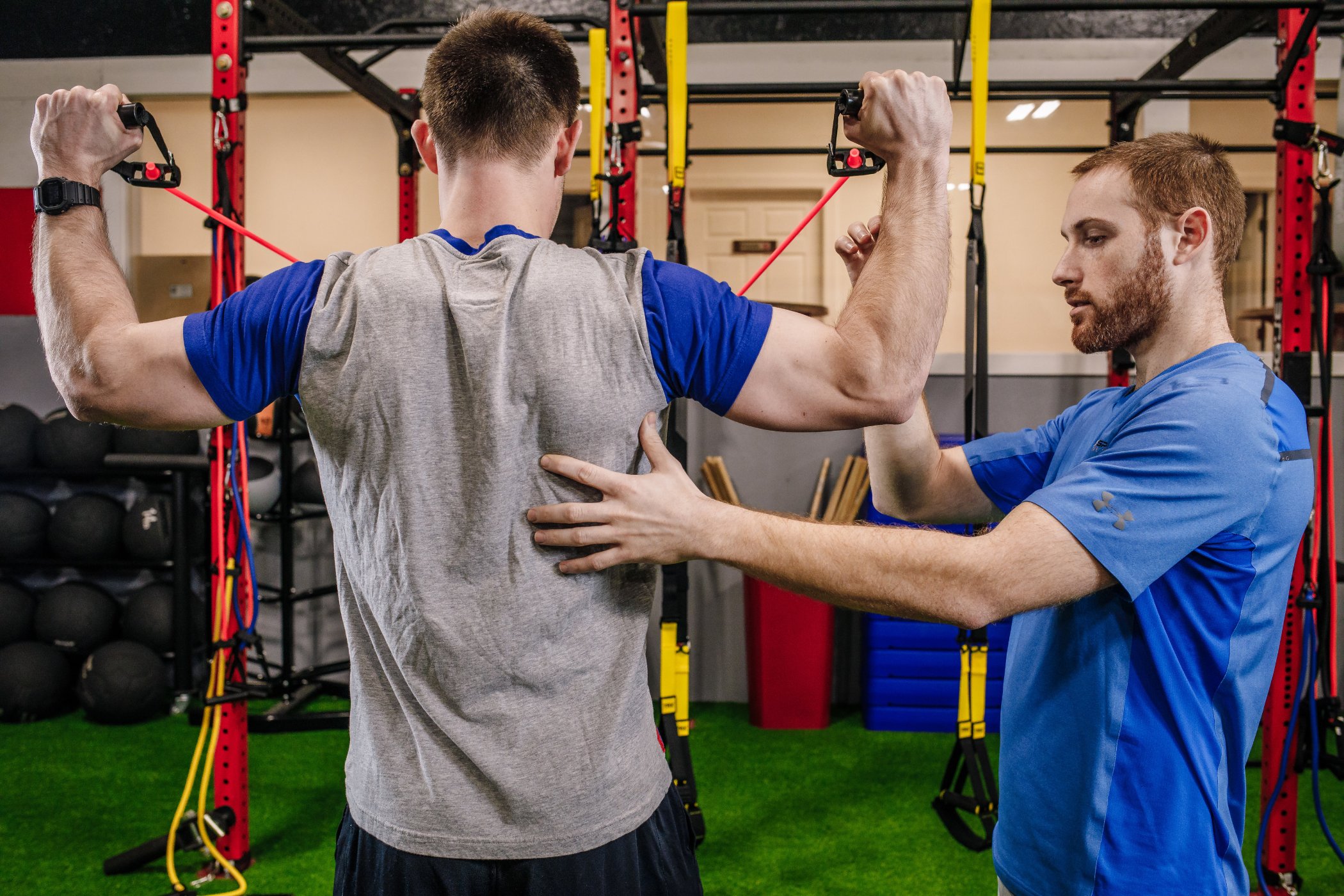
Pain-free movement is the goal during recovery, not complete rest. Horizontal rows and cable exercises performed in front of the body are generally well-tolerated and help maintain pulling strength. Scapular strengthening that targets the lower trapezius and serratus anterior helps reposition the shoulder blade and reduce the mechanical compression that causes impingement. Light external rotation drills with resistance bands reinforce rotator cuff stability without loading the shoulder overhead.
Physical therapy is typically the first-line treatment, and with a consistent, properly structured program, many patients see significant improvement within 6 to 12 weeks.
When to See an Orthopedic Specialist
If shoulder pain has persisted for more than a few weeks despite rest and modified activity, a professional evaluation is the right next step. Imaging, particularly an MRI, can reveal whether impingement has progressed to a rotator cuff tear, which changes the treatment approach substantially.
Warning signs that warrant prompt evaluation include pain that wakes you at night, any weakness or inability to lift the arm, no improvement after several weeks of conservative care, or a popping or tearing sensation following a specific incident.
For anyone in the greater Charlotte metro or the Carolinas looking for orthopedic doctors in Rock Hill, SC, access to a full-service orthopedic practice without a long drive into the city makes a real difference in how quickly you get answers and start treatment. SpecOrtho Specialty Orthopaedics & Sports Medicine in Fort Mill provides comprehensive shoulder evaluation and treatment, including on-site X-ray, MRI, and both surgical and non-surgical options, all under one roof. Their orthopedic team specializes in sports-related and non-sports-related shoulder injuries, with a focus on minimally invasive procedures designed to get patients back to their active lifestyles as quickly as possible.
Shoulder impingement doesn’t have to mean chronic pain or the end of your activity. Knowing which exercises to avoid is a meaningful first step, but an accurate diagnosis from a qualified orthopedic provider is what puts you on the right recovery track. Don’t let a manageable impingement become a rotator cuff tear through avoidance or the wrong training decisions.
READ ALSO: Elevating Healthcare Infrastructure in Ogun State: Advanced Reproductive Interventions