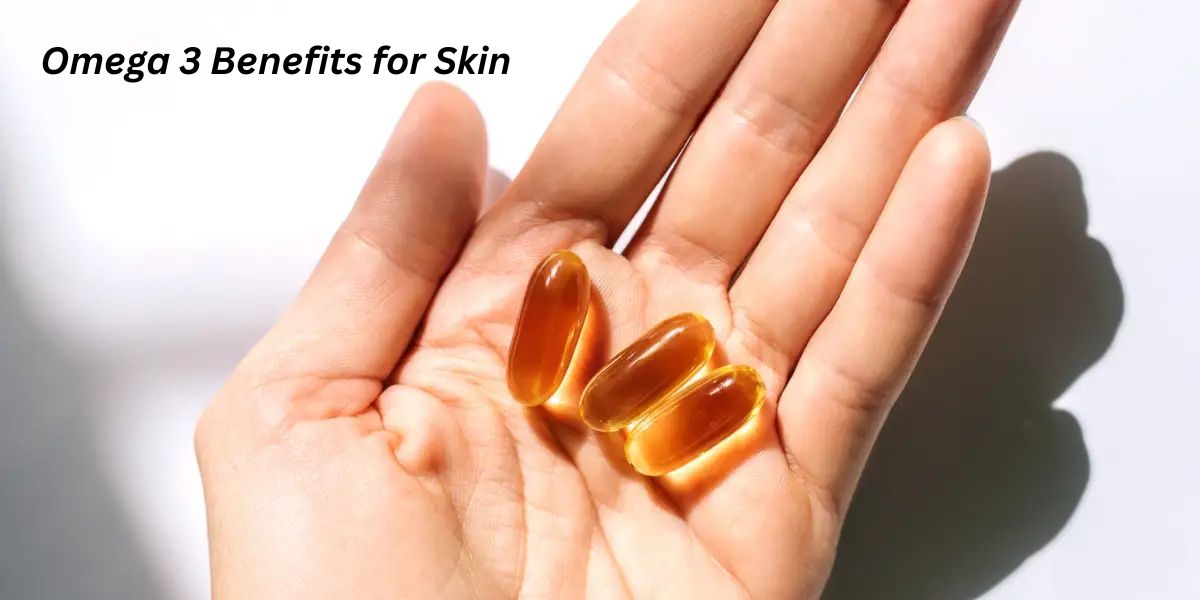
Healthy vibrant skin is widely regarded as the indicator of inner health, and nutrition is considered far more important than it is perceived by the majority of individuals. Among the most powerful nutrients, Omega 3 benefits for skin have gained significant attention for their ability to transform skin health from within. The body does not produce these essential fatty acids, and, hence, consuming them dietarily is critical to ensuring the balance in the structure of the skin, hydration, and resilience.
Omega-3 fatty acids affect the skin in various biological processes that have a direct effect on the appearance and feel of your skin, ranging from reducing inflammation to strengthening the skin barrier. This guide discusses the science and mechanics and practical use of Omega-3s so that you can know why it is considered to be a foundation of contemporary skincare nutrition.
Understanding Omega-3 Fatty Acids and Their Role in Skin Health
What Are Omega-3 Fatty Acids?
The omega-3 fatty acids refer to a category of polyunsaturated fats that contain mostly EPA (eicosapentaenoic acid), DHA (docosahexaenoic acid), and ALA (alpha-linolenic acid). These substances are important in ensuring integrity of cells especially in tissues such as the skin which is in constant exposure to environmental stressors.
The most biologically active types as far as skin health is concerned are EPA and DHA which are normally found in fatty fish. ALA, which is found in vegetable sources such as flaxseeds, has to be converted into EPA and DHA but the process of conversion is inefficient.
Why Skin Needs Essential Fatty Acids
The epidermis, or the outer layer of the skin is significantly dependent on lipids to keep the skin hydrated and to protect it. The omega-3 fatty acids become a part of the lipid matrix and also prevent water loss and cover the skin with the irritants. Insufficiency of fatty acids causes a weakened skin barrier exposing the skin to dries, premature aging, and sensitivity.
Omega 3 Benefits for Skin: A Deep Dive into Core Advantages
Enhancing Skin Hydration and Moisture Retention
One of the most immediate Omega 3 benefits for skin is improved hydration. These fatty acids make the skin stronger in its natural barrier, and it lessens transepidermal water loss. This means that the skin is able to keep the moisture better and therefore the skin looks plump and smooth.
Long term dryness is usually as a result of a damaged lipid interlock, and the Omega-3 supplementation aids in replacement of this guard. In the long run, regular use may lead to a considerable increase in the firmness of the skin.
Reducing Inflammation and Skin Conditions
The inflammation is a causal agent of various skin conditions, such as acne, eczema, and psoriasis. Anti-inflammatory effect Omega-3 fatty acids especially EPA can be used to calm irritated skin because of their strong anti-inflammatory effect.
They act to suppress inflammatory molecule production in the body, therefore, reducing redness, swelling, and discomfort. This controls Omega-3s as particularly useful in persons who handle chronic skin disorders.
Supporting Anti-Aging and Collagen Preservation
The aging skin is usually very unelastic, has fine lines, and wrinkles. Omega-3 fatty acids are useful in halting this process by maintaining collagen and elastin which are responsible in the skin firmness.
They also shield the effect of oxidative stress caused by the presence of free radicals, which hastens aging. Omega-3s help to keep the skin of the cell in a healthier and younger looking condition.
How Omega-3 Fatty Acids Improve Skin Structure at the Cellular Level
Strengthening the Skin Barrier Function
The skin barrier can be considered a defense mechanism against the environment pollutants, UV radiation, and dangerous microorganisms. The omega-3 fatty acids are incorporated into the cell membranes, which increases their elasticity and high strength.
This enhanced barrier effect does not only serve to protect the skin, but also to block loss of moisture which is very vital in ensuring a healthy complexion.
Regulating Oil Production and Acne Control
One of the causes of acne is excess production of sebum. The omega-3 fatty acids assist in the regulation of oil production by balancing the hormones, as well as decreasing inflammation.
The combination of these two properties makes them helpful in controlling acne with minimal terrifying side effects that come with the topical applications. As time goes by, the skin refines and it becomes less likely to experience a breakout.
Omega 3 Benefits for Skin in Combating Environmental Damage
Protection Against UV-Induced Damage
Although Omega-3s do not substitute sunscreen, it provides some sort of internal defense against UV damages. They make the skin less sensitive to the sun and alleviate the negative impact of sunlight exposure.
Omega-3 fatty acids help to promote the general skin health in sun-exposed environments by reducing inflammatory processes and oxidative stress.
Fighting Pollution and Oxidative Stress
The skin is exposed to pollutants found in urban settings that increase the aging process and cause harm. Omega-3 fatty acids are antioxidants and they neutralize the free radicals and avoid cell damage.
This shielding common sense prevents the skin colour to be dark and uneven, even during harsh weather conditions.
Best Dietary Sources and Supplementation Strategies
Natural Food Sources Rich in Omega-3
The richest sources of EPA and DHA include fatty fish like salmon, mackerel and sardines. ALA is found in plant based foods such as chia seeds, walnuts and flaxseeds which also add to the total.
Incorporating these foods in a balanced diet would provide a constant intake of crucial fatty acids which promotes the health of the skin.
Choosing the Right Supplements for Skin Health
Supplements can be a good supplement to dietary intake of Omega-3 in persons who have difficulties meeting their requirements. Fish oil or algae-based supplements containing a high level of EPA and DHA are high-quality supplements.
Pureness of the supplement, dosage and third-party testing should be put into consideration when choosing a supplement just to be certain that the benefits will be the most.
Who Can Benefit Most from Omega-3 for Skin?
Individuals with Dry or Sensitive Skin
Individuals that suffer chronic dryness or sensitivity tend to possess weakened skin coverings. Omega-3 fatty acids are beneficial in the process of restoring the balance, thereby rendering the skin more resilient and less-reactive.
Those Dealing with Acne or Inflammatory Conditions
Omega-3s have some anti-inflammatory effects, and thus, people with acne issues, rosacea, or eczematous skin will find them useful. They treat inflammation and not only the symptoms.
Aging Skin and Preventive Skincare
Others interested in staying young and beautiful ought to consider long-term uses of Omega-3 fatty acids that help in the production of collagen and against environmental harm.
Practical Tips to Maximize Omega 3 Benefits for Skin
Consistency Is Key
Omega-3 fatty acids are slow acting and frequent consumption is required before significant effects are felt. Including them in your everyday life will guarantee you long term advantages in the long run.
Combine with a Balanced Skincare Routine
Omega-3s do not need external support, although jointly, with an adequate skincare routine, they do more good. These fatty acids are supplemented by hydration, sun protection, and mild cleansing.
Key Takeaways for Healthier Skin
- Omega-3 fatty acids enhance skin hydration, inflammation, and the strength of the skin barrier, and therefore are important to the overall skin health.
- The frequent use aids the process of anti-aging, acts as a shield against environmental degradation, and assists in the management of common skin related problems such as acne and eczema.
Quick Practical Insights
- The regular intake or supplementation with food should be used to achieve a long-term outcome.
- Taking in conjunction with a balanced skincare regimen, Omega-3s will increase their efficacy and provide their visible effects.
Conclusion
The science behind Omega 3 benefits for skin clearly demonstrates their powerful role in maintaining healthy, resilient, and youthful skin. Whether it is improving hydration, fighting inflammation, and environmental destruction, they are the key fatty acids, which provide a comprehensive solution, which works internally.
Taking Omega-3s as a part of your daily intake is not just a dietary decision, but an investment in your skin health and the way you look. As the usage becomes comfortably regular and holistic, the outcomes may be short- and long-term.
Also Read About: Papaya Benefits for Skin