Knee pain while climbing stairs is a common complaint across all age groups. Many people notice discomfort only during stair use, while walking on flat ground feels relatively normal. This specific pattern generally signals underlying knee problems that deserve attention.
Understanding why knee pain appears during stair climbing, what conditions may cause it, and which treatments are effective can help prevent worsening damage and support long-term joint health.
Why Does Knee Pain Occur While Climbing Stairs?
Climbing stairs places significantly more stress on the knee joint than walking on level surfaces. Each step requires the knee to bear several times the body’s weight while bending and straightening under load.
If any structure within the knee is weakened, inflamed, or damaged, pain becomes more noticeable during stair use. This is usually an early warning sign rather than a problem to ignore.
Common Causes of Knee Pain During Stair Climbing
1. Patellofemoral Pain Syndrome (Runner’s Knee)
This condition occurs when the kneecap does not move smoothly over the thigh bone. It usually causes:
- Pain around or behind the kneecap
- Discomfort when climbing or descending stairs
- Pain after prolonged sitting
Muscle imbalance, overuse, or poor alignment commonly contribute to this condition.
2. Osteoarthritis of the Knee
Osteoarthritis involves gradual wear of the knee’s cartilage. Early symptoms commonly include:
- Pain during activities involving bending
- Stiffness after rest
- Grinding or clicking sensations
Stair climbing can reveal joint damage before pain appears during routine walking.
3. Meniscus Injury
The meniscus acts as a shock absorber within the knee. Tears may occur due to injury or gradual degeneration. Symptoms include:
- Sharp pain when bending
- Swelling
- Locking or catching sensations
Stair use can aggravate meniscal damage due to rotational stress.
4. Tendon or Ligament Strain
Inflammation or injury to the knee’s tendons or ligaments can cause pain during movement. Common issues include:
- Patellar tendonitis
- Quadriceps tendon strain
- Ligament overuse injuries
Pain may worsen with repeated stair climbing or physical activity.
5. Muscle Weakness or Imbalance
Weak quadriceps, hamstrings, or hip muscles can increase stress on the knee joint. Poor muscle support affects knee alignment and movement efficiency, leading to pain during weight-bearing activities.
When Knee Pain During Stairs Should Not Be Ignored
Seek medical evaluation if knee pain:
- Persists for several weeks
- Worsens over time
- Is associated with swelling or instability
- Limits daily activities
- Occurs after injury
Early diagnosis can prevent progression to more serious joint damage.
How Knee Pain Is Diagnosed
Clinical Evaluation
Doctors assess:
- Pain location and severity
- Joint movement and stability
- Muscle strength and alignment
- Walking and stair-climbing patterns
This evaluation helps narrow down possible causes.
Imaging and Diagnostic Tests
Depending on symptoms, investigations may include:
- X-rays to assess joint space and bone changes
- MRI scans to evaluate cartilage, ligaments, and meniscus
- Ultrasound in select cases
Accurate diagnosis guides effective treatment planning.
Non-Surgical Treatment Options
1. Activity Modification
Reducing repetitive stair use, avoiding sudden knee strain, and incorporating rest can help calm inflammation during the early stages.
2. Physiotherapy and Exercise
Targeted physiotherapy helps:
- Strengthen thigh and hip muscles
- Improve joint alignment
- Enhance flexibility
- Reduce stress on the knee
Exercise programs are tailored to the underlying cause and severity.
3. Pain Relief and Anti-Inflammatory Measures
Treatment may include:
- Short-term pain-relieving medications
- Ice or heat therapy
- Supportive knee braces
These approaches help manage symptoms while rehabilitation progresses.
4. Weight Management
Excess body weight significantly increases knee stress. Even modest weight reduction can reduce pain and improve mobility.
When Surgical Treatment May Be Considered
If conservative treatments fail and knee damage progresses, surgical options may be discussed.
1. Arthroscopic Procedures
Minimally invasive surgery may be used to:
- Repair meniscus tears
- Remove damaged tissue
- Improve joint movement
These procedures are generally used for localized damage.
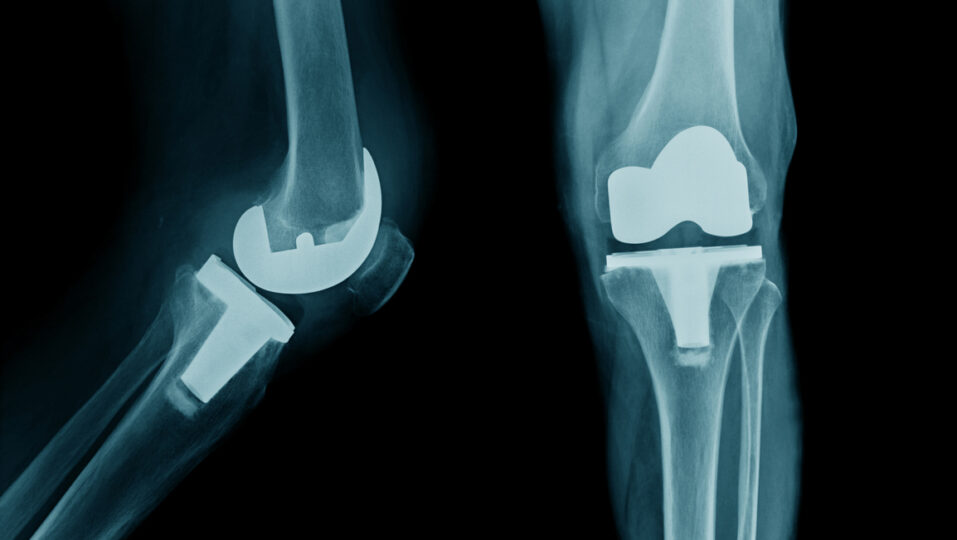
2. Knee Replacement Surgery in Advanced Joint Damage Cases
In cases of severe arthritis or joint degeneration, joint-preserving treatments may no longer be effective. In cities such as Ahmedabad, individuals with advanced knee arthritis causing pain during stair climbing may be evaluated for knee replacement in Ahmedabad after careful assessment and failure of non-surgical options.
Preventing Knee Pain During Stair Use
1. Strengthen Supporting Muscles
Regular strengthening of quadriceps, hamstrings, and hip muscles improves knee stability and reduces joint stress.
2. Improve Stair-Climbing Technique
Using handrails, placing the whole foot on each step, and avoiding rushing can reduce knee strain.
3. Wear Supportive Footwear
Proper footwear with cushioning and support helps absorb impact and improve alignment during stair use.
4. Maintain Joint-Friendly Activity
Low-impact activities, such as swimming, cycling, and walking, help maintain joint mobility without excessive stress.
FAQs
Why does my knee hurt only on stairs?
Stair climbing increases knee load, revealing early joint or muscle problems that may not be noticeable during flat walking.
Is knee pain on stairs always arthritis?
No. While arthritis is common, muscle imbalance, tendon inflammation, or meniscus injury can also cause stair-related pain.
Can exercises really help with knee pain?
Yes. Properly guided strengthening and flexibility exercises are among the most effective treatments for knee pain.
When should I consider surgery?
Surgery is considered when pain persists despite conservative treatment and significantly affects daily life.
Can knee pain during stairs be prevented?
In many cases, yes, through muscle strengthening, weight management, and early treatment of minor knee issues.
Conclusion
Knee pain while climbing stairs is usually an early sign of joint stress or underlying knee problems. Conditions such as patellofemoral pain syndrome, osteoarthritis, meniscus injury, and muscle weakness commonly contribute to this discomfort.
Timely evaluation, targeted physiotherapy, lifestyle adjustments, and appropriate medical care can significantly reduce pain and improve function. Recognizing symptoms early allows individuals to protect knee health, maintain mobility, and avoid long-term joint damage.