The question is dosa healthy often comes up among people trying to balance taste, tradition, and nutrition. Dosa is not just a popular South Indian staple; it is also one of the most widely consumed fermented foods in the Indian subcontinent. However, misunderstanding is usually associated with its health value since it can be cooked in a variety of ways. Dosa can either be healthy or counterproductive to your health depending on ingredients, cooking technique, amount of dosa, and the situation of the diet in general. This article dissects dosa in terms of nutritional, metabolic and lifestyle so that you are able to make informed decisions instead of depending on food myths.
Understanding Dosa: What Makes It Unique?
Traditional Ingredients and Fermentation Process
Fundamentally, dosa batter is prepared using rice and urad dal, which have been soaked, ground and fermented. This fermentation is not only a cooking procedure, but it is a biologic procedure which enhances nutrient availability. Natural fermentation enhances amino acid ratios, B-vitamin levels, and decreases anti-nutrients such as phytic acid that may obstruct the absorption of minerals. This is one of the strongest arguments when people ask, is dosa healthy, because fermented foods are known to support digestion and gut health.
How Cooking Method Influences Health Value
Cooking dosa also changes its nutritional effects by a great deal. Dosa can be cooked on a hot griddle in a lightly greased state, which helps to retain the texture and minimize the amount of extra fat. Conversely, dosas prepared in restaurants that are dipped in oil or butter contain a lot of calories. Dosa is not inherently unhealthy; the manner of preparation makes it either a nutritious meal or a fattening treat.
Is Dosa Healthy from a Nutritional Perspective?
Macronutrient Balance Explained
Dosa is a carbohydrate-rich dish because of rice, and moderate in terms of plant-based protein with urad dal. Although it is not a high protein food on its own, it gives long term energy when combined with high protein foods such as sambar. Fermented carbohydrates are slowly digested and therefore prevent acute elevations of blood sugar levels as opposed to refined flour products.
Micronutrients and Digestive Benefits
Iron, magnesium and potassium are absorbed better through fermentation. Dosa is also not very spicy to the stomach and thus it can be eaten by individuals with sensitive stomachs. It is not based on refined oils or chemical raising agents, unlike deep-fried snacks, which helps it to maintain its image as a cleaner, traditional food choice.
Is Dosa Healthy for Weight Loss and Fitness Goals?
Calorie Density and Portion Control
When evaluating is dosa healthy for weight loss, portion control becomes critical. A single dosa will be easy to fit into a calorie-controlled diet, but oversized dosas with dense fillings will upset the balance of calories. Dosa is also filling so conscious portions can be used to reduce over eating during the day.
Satiety, Energy Levels, and Meal Timing
Dosa is a good breakfast or early lunch meal because it will provide a lasting source of energy. Fermented foods help regulate appetite hormones, which may reduce cravings later in the day. Athletes and people who are active find the use of dosa to have the carbohydrates they need to use in their workouts, particularly when they are accompanied by lentil based dishes.
Is Dosa Healthy for Diabetes and Blood Sugar Control?
Glycemic Load vs Glycemic Index
Foods made of rice tend to be an issue to diabetics. Nevertheless, fermentation reduces the glycemic effect of dosa relative to uncooked rice products. Glycemic load varies according to the size of the portion, the quality of fermentation and side dishes. The intake of dosa with fiber-containing sambar decreases the rate of glucose absorption.
Healthier Dosa Variations for Diabetics
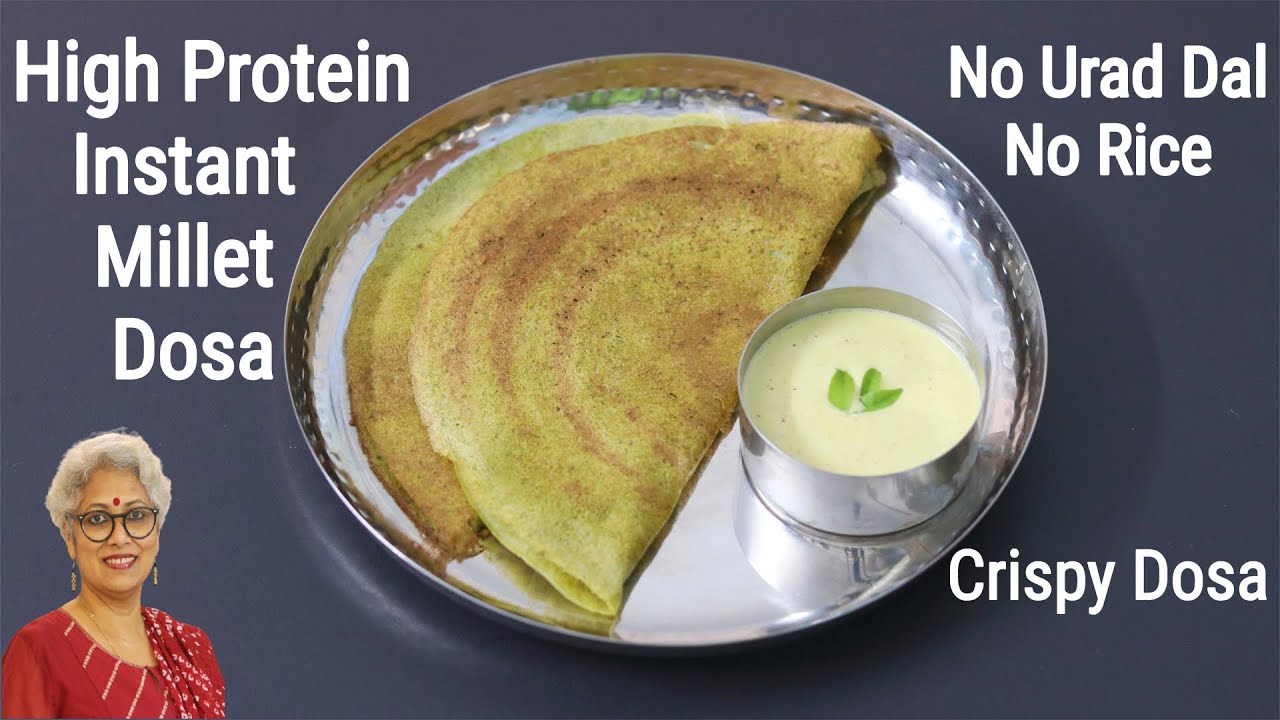
The consumption of millets, brown rice or mixed grains is better to increase fiber content and minimize the glycemic response. Although diabetics should not be prohibited to eat traditional dosa, it is possible to make it much safer to stabilize blood sugar levels.
Comparing Dosa with Other Breakfast Options
Dosa vs Bread-Based Breakfasts
Dosa does not have any preservatives and very little processing as compared to refined bread or processed cereals. It has a digestive advantage that many western breakfasts do not have due to fermentation. The point made in this comparison reinforces the notion that dosa, when made in a traditional way, would be more consistent with long-term metabolic health.
Dosa vs Idli and Other South Indian Foods
Dosa has a little more fat content than idli because of cooking oil yet it has a crisp bite that enhances the feeling of fullness. They are similar in terms of their nutritional basis, but dosa is more customizable to a particular health objective because of its flexibility in the choice of the grain used.
Common Myths Around Dosa and Health
“Dosa Is Just Empty Carbs”
This myth overlooks the contribution of fermentation and lentil protein. Dosa contains a lot of carbohydrates but it is not a nutritionally empty meal. It gives slow energy and requisite micro nutrients lacking in refined snacks.
“Dosa Is Unhealthy Because It Uses Oil”
The amount of oil is more significant than the presence of oil. Even a teaspoon of oil that is utilized in cooking does not diminish the benefits of dosa. The problem is that it is only when too much butter or ghee is put in to add flavor and not nutrition.
Practical Tips to Make Dosa Healthier at Home
Fermented batter, reduced oil usage, and the combination of dosa and high-protein sides would greatly enhance the nutritional value of the food. Vegetables can be added to the batter or millet-based options can be used to enhance the diversity of fibers and micronutrients without compromising the flavor.
Quick Health Takeaways
- Dosa promotes the digestive system because of fermentation naturally.
- Calories are dependent on portion size and oil consumption.
- Whole grains and millet dosas improve fiber and blood sugar control
- Dosa is eaten with sambar, which helps in absorption of proteins and nutrients.
When Dosa Fits Best in a Balanced Diet
- Perfect breakfast or lunch to provide long lasting energy.
- Appropriate in the management of weight when consumed in moderation.
- Adaptable to diabetic friendly diets by changing the grain.
- Good substitute for processed foods.
Final Verdict: Is Dosa Healthy or Not?
So, is dosa healthy? The evidence is clear and the traditional preparation of dosa and consumption in moderate amounts makes it a healthy and sustainable food option. The fact that it is fermented, uses plant-based ingredients, and is flexible, makes it appropriate to the current health objectives without sacrificing the cultural backgrounds. Dosa is not a diet food or a superfood, it is a wise food when eaten consciously and with purpose.
Also Read: Healthy Indian Snacks