Diabetes is a chronic condition that affects millions of people worldwide. While many individuals are aware of its impact on blood sugar levels, fewer understand how diabetes can affect eye health. One of the most serious complications of diabetes is damage to the retina, the light-sensitive tissue at the back of the eye that plays an important role in vision.
Regular retina check-ups are an important part of diabetes management because eye-related complications usually develop gradually and may not cause noticeable symptoms in the early stages.
Early detection and timely treatment can help preserve vision and reduce the risk of severe eye problems. Understanding the importance of routine retinal examinations can help diabetic patients take proactive steps to protect their eyesight.
How Diabetes Affects the Retina
The retina contains tiny blood vessels that supply oxygen and nutrients necessary for healthy vision. High blood sugar levels can damage these blood vessels over time, leading to diabetic eye disease.
When blood vessels become weakened or blocked, the retina may not function properly, potentially affecting vision and overall eye health.
What Is Diabetic Retinopathy?
Diabetic retinopathy is one of the most common diabetes-related eye complications. It occurs when high blood sugar damages the retinal blood vessels.
As the condition progresses, blood vessels may leak fluid, swell, or grow abnormally, increasing the risk of vision loss if left untreated.
Other Eye Conditions Linked to Diabetes
In addition to diabetic retinopathy, diabetes may increase the risk of:
- Diabetic macular edema
- Cataracts
- Glaucoma
- Retinal bleeding
- Vision impairment
Regular eye examinations help monitor these conditions and support early intervention when needed.
Why Early Detection Is So Important
One of the biggest challenges with diabetic eye disease is that it usually develops without obvious symptoms during the early stages. Many individuals may experience significant retinal changes before noticing any vision problems.
Routine retina evaluations allow specialists to identify abnormalities before permanent damage occurs.
Vision Loss Can Be Preventable
Early diagnosis provides opportunities for treatment that may help prevent or slow disease progression.
Benefits of early detection include:
- Timely medical intervention
- Reduced risk of severe vision loss
- Better long-term eye health
- Improved treatment outcomes
- Ongoing monitoring of retinal changes
The earlier retinal problems are identified, the greater the chance of preserving vision.
Symptoms May Appear Late
When symptoms do occur, they may include:
- Blurred vision
- Dark spots or floaters
- Difficulty seeing at night
- Distorted vision
- Sudden vision changes
Waiting for symptoms to appear may delay treatment and increase the risk of complications.
What Happens During a Retina Check-Up?
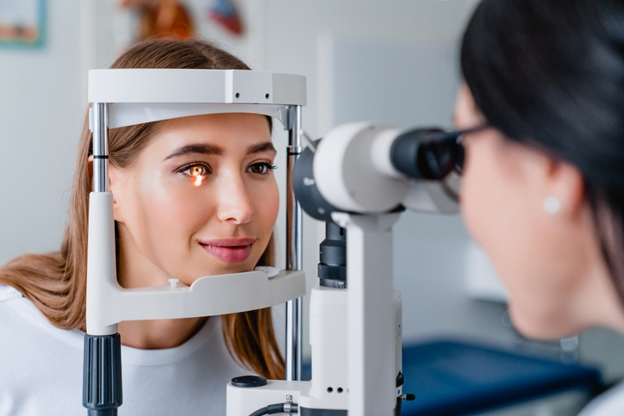
Many patients avoid eye examinations because they are unsure what to expect. Fortunately, retinal evaluations are generally straightforward and non-invasive.
The examination helps specialists assess retinal health and identify early signs of diabetes-related damage.
Common Components of a Retina Examination
A retina check-up may include:
- Vision testing
- Dilated eye examination
- Retinal imaging
- Optical coherence tomography (OCT)
- Eye pressure assessment
These tests provide valuable information about the condition of the retina and surrounding structures.
The Role of Retinal Imaging
Advanced imaging technologies allow eye specialists to capture detailed images of the retina.
These images help detect:
- Blood vessel abnormalities
- Retinal swelling
- Leakage
- Areas of poor blood flow
- Early diabetic changes
This information supports accurate diagnosis and ongoing monitoring.
How Often Should Diabetic Patients Have Retina Check-Ups?
The frequency of retinal examinations depends on factors such as age, diabetes type, blood sugar control, and existing eye conditions.
Healthcare providers may recommend different schedules based on individual risk factors.
General Recommendations
Many diabetic patients benefit from:
- Annual comprehensive eye examinations
- More frequent visits if retinal disease is present
- Additional monitoring during pregnancy for women with diabetes
- Follow-up evaluations based on specialist recommendations
Consistent monitoring helps identify changes that may require treatment.
Factors That Increase Risk
Certain factors can increase the likelihood of retinal complications, including:
- Long-standing diabetes
- Poor blood sugar control
- High blood pressure
- High cholesterol
- Smoking
- Kidney disease
Patients with these risk factors may require closer observation and more frequent assessments.
Available Treatments for Diabetic Retinal Disease
Advances in ophthalmology have significantly improved the treatment of diabetic retinal conditions. Early intervention can usually help preserve vision and slow disease progression.
Treatment recommendations depend on the severity and type of retinal damage.
Common Treatment Options
Potential treatments include:
- Blood sugar management
- Anti-VEGF injections
- Laser therapy
- Corticosteroid treatments
- Vitrectomy surgery in advanced cases
The goal of treatment is to protect retinal function and minimize further vision loss.
Regular retinal monitoring plays an important role in protecting vision, and patients across Haryana commonly seek guidance from eye care specialists, including the best retina specialist in Panipat, for timely evaluation and management.
The Importance of Managing Overall Health
Protecting vision requires more than eye treatment alone.
Patients are encouraged to:
- Maintain healthy blood sugar levels
- Monitor blood pressure
- Control cholesterol
- Follow prescribed medications
- Attend regular medical appointments
A comprehensive approach supports both eye health and overall well-being.
Practical Tips to Protect Retinal Health
While routine check-ups are essential, daily habits also play an important role in reducing the risk of diabetic eye complications.
Simple lifestyle measures can contribute to long-term retinal health.
Healthy Habits for Diabetic Patients
Consider the following strategies:
- Monitor blood glucose regularly
- Follow a balanced diet
- Stay physically active
- Avoid smoking
- Take medications as prescribed
- Schedule routine eye examinations
These habits support better diabetes management and may reduce the risk of retinal damage.
Building a Long-Term Eye Care Plan
Creating a consistent eye care routine can help diabetic patients stay proactive about their vision.
Important steps include:
- Keeping scheduled appointments
- Tracking vision changes
- Discussing concerns with healthcare providers
- Following treatment recommendations
Regular monitoring remains one of the most effective ways to protect eyesight.
Conclusion
Regular retina check-ups are an important part of diabetes management. Because diabetic eye disease usually develops without early symptoms, routine retinal examinations allow healthcare professionals to detect problems before vision loss occurs.
Through early diagnosis, advanced imaging, timely treatment, and consistent monitoring, many diabetes-related eye complications can be managed effectively. Combined with good blood sugar control and healthy lifestyle habits, regular retina evaluations can play a vital role in preserving long-term vision and maintaining overall eye health.
Frequently Asked Questions
1. Why do diabetic patients need regular retina check-ups?
Diabetes can damage retinal blood vessels without causing early symptoms. Regular retina examinations help detect changes early, allowing timely treatment that may prevent vision loss and protect long-term eye health.
2. How often should a person with diabetes have a retina examination?
Many diabetic patients should have a comprehensive eye examination at least once a year. Individuals with existing retinal disease or additional risk factors may require more frequent monitoring.
3. Can diabetic retinopathy develop without symptoms?
Yes. Diabetic retinopathy usually develops gradually and may not cause noticeable symptoms in its early stages. This is why routine retinal evaluations are important even when vision appears normal.
4. What happens if diabetic retinopathy is left untreated?
Untreated diabetic retinopathy can progress and lead to retinal damage, bleeding, swelling, and potentially severe vision loss. Early diagnosis and treatment significantly improve the chances of preserving eyesight.
5. Can good blood sugar control reduce the risk of retinal damage?
Yes. Maintaining healthy blood sugar levels can help reduce the risk of diabetic eye complications. Consistent diabetes management, along with regular eye examinations, supports long-term retinal health.