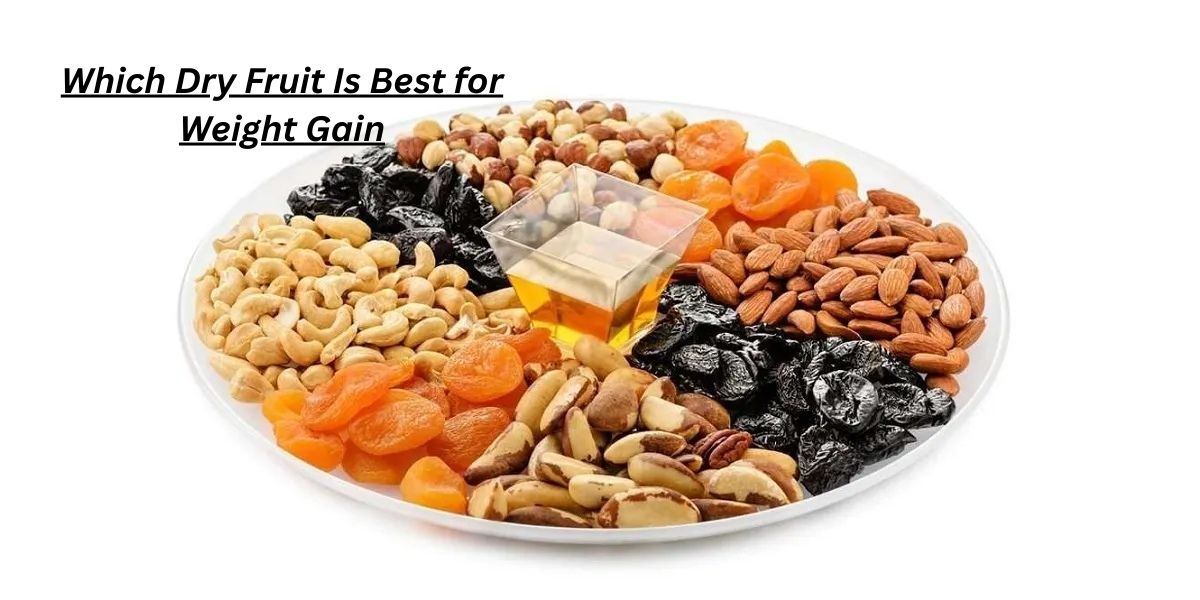
Gaining weight in a healthy and sustainable way is often as challenging as losing it. Among the natural strategies, dry fruits stand out for their dense calorie content, rich nutrients, and ease of consumption. If you’re wondering which dry fruit is best for weight gain, this guide will provide an in-depth look into the types of dry fruits, their nutritional profiles, and how to incorporate them effectively into your diet for optimal results.
Understanding Weight Gain and Nutrition
The Science Behind Healthy Weight Gain
Weight gain occurs when the body consumes more calories than it burns. However, the quality of those calories matters significantly. Simply eating high-calorie junk foods can lead to fat accumulation and health issues. Instead, nutrient-dense options, like dry fruits, provide essential vitamins, minerals, healthy fats, and proteins that support muscle growth and overall health.
Role of Dry Fruits in Weight Gain
Dry fruits are naturally concentrated sources of calories and nutrients. Unlike fresh fruits, which contain high water content, dry fruits are dehydrated, meaning their sugars, fiber, and fats are packed into smaller servings. This density makes them ideal for increasing caloric intake without feeling overly full. Additionally, they are rich in antioxidants, vitamins, and minerals, which enhance metabolic functions and aid in the repair and growth of body tissues.
Top Dry Fruits for Weight Gain
Almonds: The Muscle-Building Powerhouse
Almonds are widely recognized for their high protein and healthy fat content. With approximately 575 calories per 100 grams, they are excellent for those aiming to gain weight. Almonds are particularly rich in vitamin E, magnesium, and biotin, nutrients that support muscle repair and overall energy metabolism. Consuming almonds as a snack or blending them into shakes can significantly contribute to a calorie surplus.
Cashews: Smooth and Nutritious
Cashews offer a creamy texture and a subtle sweetness that makes them easy to consume. They are high in monounsaturated fats and contain essential minerals like zinc, copper, and iron, which support immunity and energy production. For weight gain, cashews can be eaten raw, roasted, or incorporated into nut butter, providing a convenient calorie-dense option.
Walnuts: Brain and Body Fuel
Walnuts are not only beneficial for heart and brain health but also for weight gain due to their calorie density. A 100-gram serving contains around 654 calories, along with omega-3 fatty acids that support inflammation management and metabolic health. Including walnuts in smoothies, oatmeal, or as snacks between meals can provide consistent calorie intake.
Dates: The Sweet Energy Booster
Though technically a dried fruit rather than a nut, dates are highly effective for weight gain. Rich in natural sugars, fiber, and minerals like potassium and magnesium, dates offer a quick energy boost while promoting digestive health. They can be consumed alone or stuffed with nuts for an extra calorie-packed treat.
Pistachios: Tiny but Mighty
Pistachios, though smaller in size, are calorie-dense and provide an impressive combination of protein, fiber, and healthy fats. With around 560 calories per 100 grams, they support gradual and sustainable weight gain. Pistachios can be eaten as snacks or added to yogurt, cereals, or desserts for an added nutritional punch.
Raisins and Other Dried Grapes
Raisins are a convenient, portable dry fruit rich in natural sugars, iron, and antioxidants. They provide quick calories and can be mixed into cereals, salads, or consumed as a standalone snack. For individuals with high energy needs, raisins can complement nuts to increase overall caloric intake effectively.
Incorporating Dry Fruits Into Your Diet
Snacking Strategically
To gain weight, consuming dry fruits throughout the day is more effective than a single heavy meal. Pairing nuts with fruits, yogurt, or oatmeal creates nutrient-rich, calorie-dense snacks that enhance energy intake without overloading the digestive system.
Smoothies and Shakes
Blending dry fruits into smoothies or protein shakes is an excellent way to increase calories. Almonds, cashews, dates, and walnuts can be combined with milk or plant-based alternatives to create a nutrient-rich shake that supports both weight gain and muscle development.
Cooking with Dry Fruits
Incorporating dry fruits into meals, such as rice, salads, or desserts, adds calories and flavor. For instance, adding cashews or almonds to curries or baking them into granola bars provides a healthy and convenient way to boost your calorie intake.
Considerations for Optimal Weight Gain
Portion Control and Balance
Even though dry fruits are beneficial, moderation is key. Excessive consumption can lead to digestive issues and unhealthy fat accumulation. A daily intake of 30–50 grams of mixed dry fruits is typically sufficient for most adults aiming to gain weight.
Complementary Nutrients
Pairing dry fruits with proteins and complex carbohydrates ensures balanced nutrition. For instance, combining almonds with whole-grain toast or yogurt helps the body absorb nutrients efficiently and supports lean muscle growth.
Hydration and Digestion
Dry fruits are high in fiber, which aids digestion but can cause bloating if consumed in excess without adequate water. Maintaining hydration ensures smooth digestion and maximizes nutrient absorption.
Key Takeaways
- Almonds, cashews, walnuts, dates, pistachios, and raisins are among the best dry fruits for weight gain.
- Dry fruits provide calorie-dense nutrition, healthy fats, proteins, and essential minerals.
- Incorporating them into snacks, smoothies, or meals can support sustainable and healthy weight gain.
- Moderation and balanced diet planning are essential to avoid digestive discomfort and ensure optimal nutrient utilization.
Conclusion
For individuals seeking to increase their body weight healthily, understanding which dry fruit is best for weight gain is crucial. By integrating a variety of dry fruits into daily meals and snacks, you not only increase caloric intake but also provide your body with essential nutrients that support muscle growth, energy metabolism, and overall health. Remember, sustainable weight gain is a combination of calorie surplus, nutrient density, and consistent dietary habits.
Also Read: Is Ghee Good for Weight Loss? Insights Backed by Nutrition Science