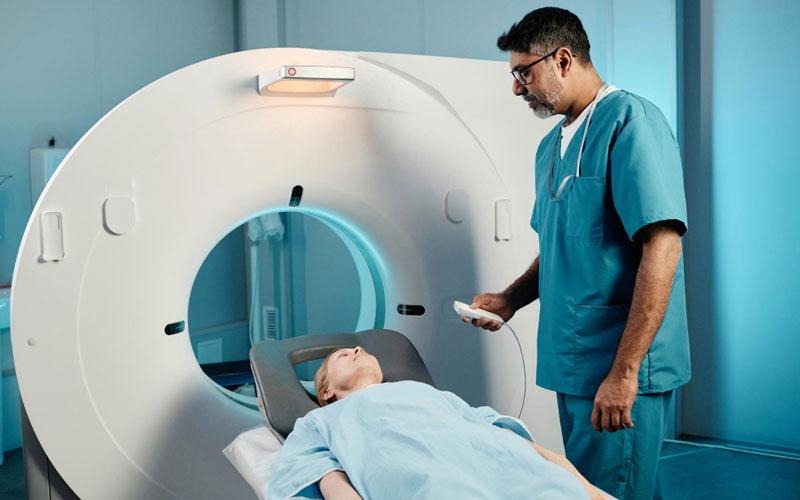
Cancer treatment has advanced significantly over the years. In addition to surgery, chemotherapy, and radiation therapy, immunotherapy has emerged as a powerful treatment option for certain types of cancer. Unlike traditional treatments that directly target cancer cells, immunotherapy works by strengthening the body’s own immune system to identify and destroy cancer cells.
This approach has changed how many cancers are managed, especially in cases where conventional therapies may not be fully effective. Understanding how immunotherapy works, its benefits, risks, and eligibility criteria helps patients make informed treatment decisions.
What Is Immunotherapy?
Immunotherapy is a type of cancer treatment that enhances or modifies the immune system so it can better recognize and attack cancer cells. Normally, the immune system identifies harmful invaders, like viruses and bacteria. However, cancer cells can sometimes evade immune detection.
Immunotherapy helps the immune system:
- Detect cancer cells more effectively
- Strengthen immune response
- Overcome immune suppression caused by tumors
There are different types of immunotherapy used in cancer care, depending on the cancer type and stage.
How Immunotherapy Works in Cancer Treatment
Cancer cells usually hide from the immune system by exploiting immune checkpoint pathways. These pathways normally prevent the immune system from attacking healthy cells.
1. Immune Checkpoint Inhibitors
Checkpoint inhibitors block proteins that prevent immune cells from attacking cancer. By removing these “brakes,” the immune system becomes more active in targeting tumors.
This treatment is commonly used in cancers such as:
- Lung cancer
- Melanoma
- Kidney cancer
- Bladder cancer
2. Monoclonal Antibodies
Monoclonal antibodies are laboratory-made proteins that bind to specific targets on cancer cells. They may:
- Mark cancer cells for immune destruction
- Block growth signals
- Deliver targeted therapy
3. CAR T-Cell Therapy
This advanced form of immunotherapy involves modifying a patient’s T-cells in a laboratory so they can better attack cancer cells. The modified cells are then infused back into the patient.
It is usually used in certain blood cancers like leukemia and lymphoma.
4. Cancer Vaccines
Cancer vaccines stimulate the immune system to attack specific cancer cells. Some vaccines are preventive, while others are therapeutic.
Benefits of Immunotherapy
Immunotherapy offers several potential advantages compared to traditional cancer treatments.
Long-Lasting Response
In some patients, immunotherapy provides durable responses, meaning the immune system continues to control cancer even after treatment ends.
Targeted Immune Activation
Unlike chemotherapy, which affects both cancerous and healthy cells, immunotherapy aims to specifically activate immune cells against cancer.
Option for Advanced or Recurrent Cancer
Immunotherapy may be considered when cancer has not responded to other treatments or has returned after initial therapy.
In Delhi, individuals exploring immunotherapy in Delhi usually discuss tumor type, biomarker testing, and overall health status with oncologists to determine eligibility for this treatment approach.
Who Is Eligible for Immunotherapy?
Not every cancer patient qualifies for immunotherapy. Eligibility depends on multiple factors.
Type of Cancer
Certain cancers respond better to immunotherapy. These include:
- Melanoma
- Non-small cell lung cancer
- Hodgkin lymphoma
- Kidney cancer
- Some colorectal cancers
Biomarker Testing
Doctors may test tumors for specific biomarkers, such as PD-L1 expression or genetic mutations, to determine whether immunotherapy is likely to be effective.
Overall Health Status
Patients must have adequate organ function and immune system health to tolerate treatment. Autoimmune diseases or severe organ dysfunction may influence treatment decisions.
Potential Side Effects of Immunotherapy
Although immunotherapy can be effective, it may cause immune-related side effects. Because the immune system becomes more active, it can sometimes attack healthy tissues.
Common side effects may include:
- Fatigue
- Skin rash or itching
- Diarrhea
- Shortness of breath
- Hormonal imbalances
In rare cases, severe inflammation of organs, such as the lungs, liver, or colon, can occur. Early recognition and prompt management are important.
How Immunotherapy Is Administered
Immunotherapy may be given in different ways:
- Intravenous infusion
- Injection
- Oral medication
- Cell-based infusion (CAR T-cell therapy)
Treatment schedules vary depending on the drug and cancer type. Some therapies are given every few weeks, while others follow a structured treatment cycle.
Monitoring During Immunotherapy
Regular follow-up is necessary to monitor:
- Tumor response
- Immune-related side effects
- Blood test results
- Imaging findings
Doctors assess whether treatment is working and adjust the plan accordingly.
Immunotherapy vs Chemotherapy
While chemotherapy directly kills rapidly dividing cells, immunotherapy stimulates the immune defenses. The two approaches may be used together in certain cases to enhance effectiveness.
Immunotherapy generally has different side effect profiles compared to chemotherapy, and some patients tolerate it better. However, individual responses vary.
Future of Immunotherapy in Cancer Care
Research continues to expand immunotherapy options for more cancer types. Combination therapies, improved biomarker testing, and personalized medicine are shaping the future of cancer treatment.
Ongoing clinical trials are exploring new immune-based strategies to improve survival and reduce complications.
Frequently Asked Questions
How long does immunotherapy treatment last?
The duration of immunotherapy varies depending on the type of cancer, response to treatment, and side effects. Some patients receive treatment for several months, while others may continue for a year or longer under medical supervision.
Is immunotherapy safer than chemotherapy?
Immunotherapy has a different side effect profile compared to chemotherapy. While it may cause fewer hair loss or nausea issues, it can trigger immune-related inflammation affecting organs, requiring close monitoring by healthcare providers.
Can immunotherapy cure cancer?
In some cases, immunotherapy leads to long-term remission. However, outcomes vary depending on cancer type, stage, and individual response. It is usually part of a broader treatment strategy rather than a guaranteed cure.
Are all cancer patients eligible for immunotherapy?
No, eligibility depends on tumor type, biomarker testing results, overall health, and prior treatments. Oncologists evaluate these factors carefully before recommending immunotherapy as part of a treatment plan.
What are immune-related side effects?
Immune-related side effects occur when the immune system attacks healthy tissues. Symptoms may affect the skin, lungs, liver, or intestines and require prompt medical evaluation and sometimes temporary treatment adjustments.
Conclusion
Immunotherapy represents a significant advancement in cancer treatment by using the body’s immune system to fight cancer more effectively. While not suitable for every patient, it offers hope for many individuals with specific cancer types and biomarkers.
Understanding how immunotherapy works, who qualifies, and what side effects may occur helps patients engage in informed discussions with their medical team. Ongoing research continues to refine and expand its role in modern oncology care.