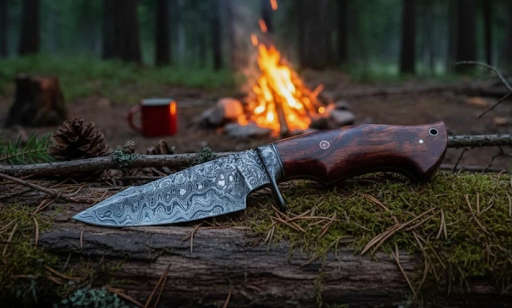
Handmade hunting knives have long attracted outdoor enthusiasts, collectors, and people who appreciate traditional craftsmanship. Combining practical design with individual details, these knives can reflect the skill of their makers through blade geometry, handle materials, finishing, and overall construction.
Whether you are an experienced outdoors enthusiast or a collector exploring traditional knives, understanding how handmade hunting knives are designed can help you make a more informed choice. Blade material, handle comfort, intended use, and maintenance requirements all deserve consideration before purchasing a knife.
What Makes a Hunting Knife Handmade?
Handmade hunting knives are produced with varying degrees of manual work. Depending on the maker, the process may involve shaping the blade, grinding the cutting edge, fitting the handle, finishing the surfaces, and assembling the final product.
Some makers forge blades by heating and shaping steel, while others begin with prepared steel stock and use stock-removal methods to create the blade profile. Both approaches can produce quality knives when the materials, workmanship, and heat treatment are appropriate.
The term handmade does not automatically guarantee superior performance. Buyers should consider the maker’s reputation, construction quality, material specifications, and available product information rather than relying on the label alone.
Choosing the Right Blade Steel
Steel selection plays an important role in a hunting knife’s performance and maintenance needs. Different steels offer different combinations of edge retention, toughness, corrosion resistance, and ease of sharpening.
Damascus Steel
Damascus-style blades are popular for their distinctive flowing patterns. Modern Damascus steel is often made by forge-welding layers of different steels, although the exact construction varies by manufacturer.
These patterns can give a knife an individual appearance, making Damascus hunting knives attractive to collectors and enthusiasts. However, a decorative pattern alone does not establish cutting performance. Steel composition, heat treatment, blade geometry, and workmanship remain important factors.
Stainless Steel
Stainless steel is valued for its resistance to corrosion and relatively straightforward maintenance. It can be a practical option for people who regularly use knives outdoors, particularly in damp conditions.
Carbon Steel
Carbon steel can offer excellent cutting performance and is often appreciated for its sharpening characteristics. However, it generally requires careful cleaning and drying to help prevent rust.
The right material depends on the knife’s intended application, the environment in which it will be used, and the owner’s willingness to maintain it.
Popular Handle Materials for Handmade Hunting Knives
A handle affects both the appearance and handling of a hunting knife. Handmade designs feature a variety of natural and synthetic materials, each with its own characteristics.
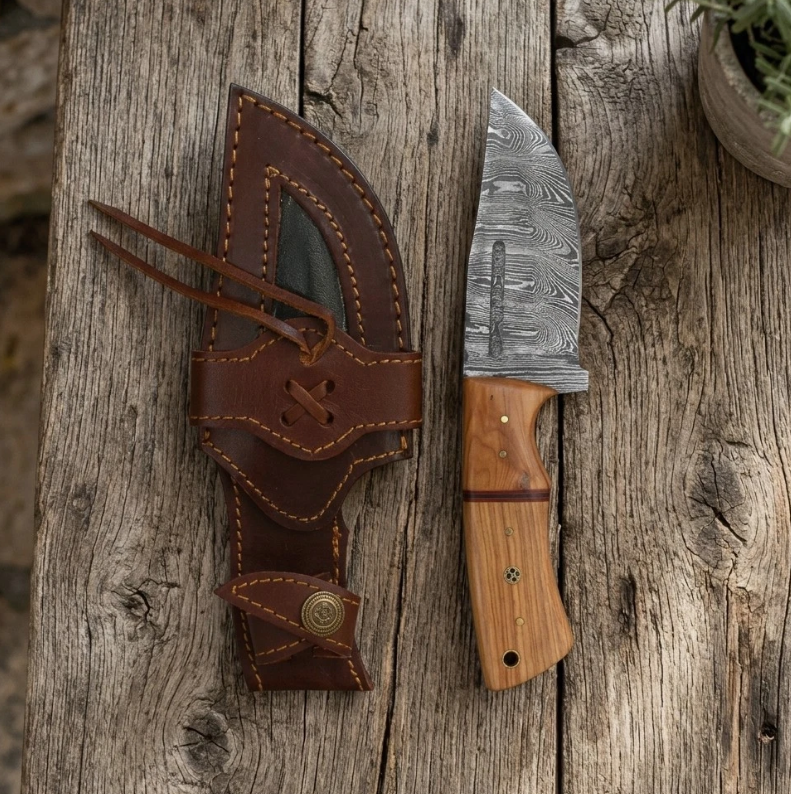
Wood: Wooden handles offer a traditional appearance, with variations in grain and color. Different wood species have different durability and moisture-resistance characteristics.
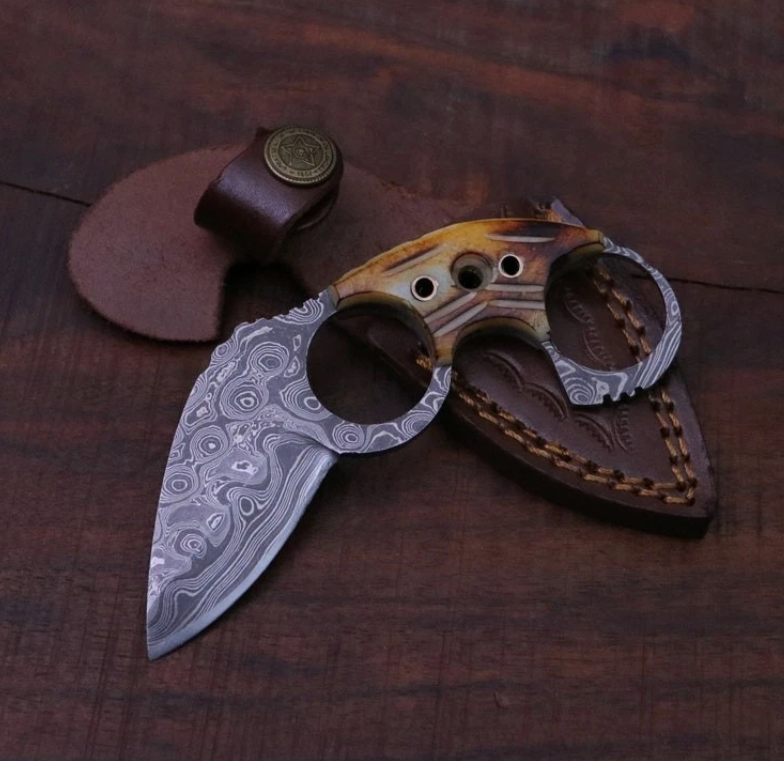
Deer antler: Natural antler is popular in traditional hunting knife designs because of its distinctive texture and organic appearance. Individual handles may vary in shape, color, and surface pattern.
Micarta and synthetic materials: These materials are often selected for their durability and practical handling characteristics. Their suitability depends on the specific material and handle construction.
Bone and other natural materials: Some makers use bone or other natural materials to create distinctive collectible designs. Buyers should review the product details to understand the material and its care requirements.
Regardless of material, a handle should feel comfortable and secure in the user’s hand. Construction quality and appropriate fit are just as important as appearance.
Understanding Hunting Knife Blade Shapes
Hunting knives come in different blade profiles, each designed around particular cutting characteristics.
A drop-point blade has a spine that slopes toward the tip, creating a versatile profile commonly associated with outdoor and hunting knives. Clip-point blades have a more pronounced tip shape, while skinner knives are designed around the needs of skinning and related field tasks.
Blade length, thickness, edge geometry, and overall weight can influence how a knife handles. Rather than choosing a design based only on its appearance, consider the manufacturer’s intended use and whether the dimensions suit your needs.
Always use a knife responsibly and in accordance with applicable laws and safety requirements.
Why Craftsmanship Matters
A well-made handmade hunting knife should demonstrate careful finishing, consistent construction, and suitable materials. Important details include the blade’s grind, the fit between the handle and blade, the quality of the cutting edge, and the overall finish.
Heat treatment is particularly important because it affects the steel’s hardness, toughness, and ability to retain an edge. Attractive patterns or elaborate handles cannot compensate for poor heat treatment or unsuitable blade geometry.
When comparing products, look for clear specifications and realistic descriptions. Reputable sellers should provide useful information about blade materials, handle construction, dimensions, included accessories, and recommended care.
How to Care for a Handmade Hunting Knife
Proper maintenance helps preserve a knife’s condition and usefulness.
After use, clean the blade carefully and dry it thoroughly. If the blade contains carbon steel or another corrosion-prone steel, apply a suitable protective oil according to the manufacturer’s recommendations.
Keep natural handles clean and dry, and avoid prolonged exposure to moisture or extreme temperatures. Store the knife in a dry location and ensure that a leather sheath is not trapping moisture against the blade for extended periods.
Inspect the knife periodically for loose handle components, corrosion, or other signs of wear. Use an appropriate sharpening method for the blade’s steel and edge geometry.
Safe storage is equally important. Keep knives secured and out of reach of children, and use suitable protective covers when transporting or storing them.
Finding a Handmade Hunting Knife That Suits Your Needs
Choosing a handmade hunting knife involves balancing intended use, materials, craftsmanship, comfort, and maintenance requirements. Some buyers prioritize a practical outdoor tool, while others are drawn to distinctive Damascus patterns, natural antler handles, or traditional designs for their collections.
Take time to compare product specifications and understand exactly what each knife offers. Avoid assuming that a higher price, decorative finish, or handmade label automatically guarantees better performance.
For readers interested in exploring knife designs and traditional styling, Blade vista offers a starting point for discovering available knife styles and product options.
Conclusion
Handmade hunting knives bring together material selection, blade design, and craftsmanship in a wide range of styles. Understanding the differences between steel types, handle materials, blade profiles, and construction methods can help buyers choose a knife that matches their preferences and intended use.
With careful selection, responsible handling, and regular maintenance, a well-chosen hunting knife can remain a valued part of an outdoor kit or personal collection for years.