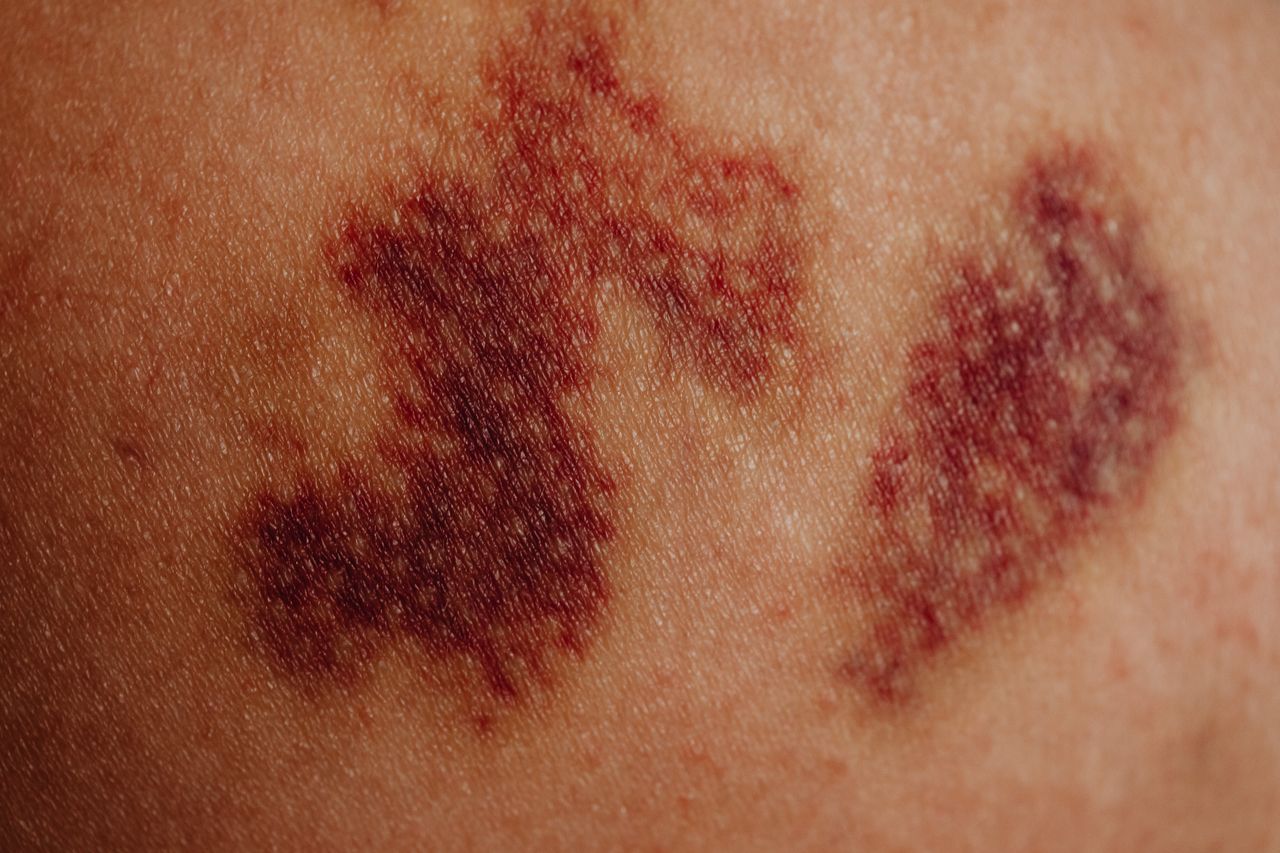
When skin faces repeated exposure to ultraviolet (UV) radiation, primarily from natural sunlight though sometimes from tanning beds, actinic damage begins to set in. This harm builds up across the years, altering cellular DNA alongside the skin’s texture, tone, and elasticity. While initial signs like fine lines, patchy pigmentation, flaking, or broken capillaries might seem purely aesthetic, long-term UV exposure carries heavier consequences: it raises the risk of skin cancer and can cause precancerous lesions known as actinic keratoses.
Knowing how sun damage takes hold helps you spot troublesome spots sooner, shield exposed skin, and see a dermatologist before a questionable lesion turns into something worse.
What Is Actinically Damaged Skin?
The term describes skin bearing the long-term structural changes left behind by chronic ultraviolet radiation. Many of these visible markers are also referred to by dermatologists as sun-damaged skin or photoaging. A sunburn’s red flush fades fast, but damage from chronic UV exposure settles into the tissue and continues to build over decades.
How UV Radiation Changes the Skin
Cells, along with their internal DNA, can suffer direct damage from UV radiation. Because it can drive atypical shifts in keratinocytes—the cells that make up the bulk of the outer skin layer—UVB plays a particularly large part in forming actinic keratoses. Ongoing exposure also plays a role in breaking down collagen, shifting skin pigment, deepening wrinkles, and driving other classic signs of photoaging.
Skin can repair itself to a point, but ongoing exposure eventually overpowers those natural defenses. This is how cumulative damage quietly mounts over years, even when day-to-day sun exposure never seems to cause an obvious issue.
Common Areas Where Sun Damage Appears
Long-term UV damage shows up most clearly on parts of the body that see the sun regularly. Actinic changes routinely turn up on the face, ears, neck, scalp, hands, forearms, and lips. The face, ears, a balding scalp, and the backs of the hands are especially prone to actinic keratoses.
Working outside, spending long hours outdoors for leisure, getting sunburned repeatedly, or using tanning beds can all drive up a person’s total UV damage.
Signs of Actinically Damaged Skin
Actinically damaged skin does not look the same on everyone. While some of these changes are merely cosmetic, others point toward abnormal cell growth and need a doctor to look at them.
Photoaging, Pigmentation, and Texture Changes
Common signs include fine lines, deeper creases, patchy pigmentation, liver spots, rough patches, dry skin, and a blotchy, red-toned look. Chronic UV exposure also takes a toll on the skin’s structural components, meaning the tissue can lose some firmness and elasticity as time goes on.
Seeing these changes doesn’t automatically mean a person has developed skin cancer. Still, they prove that the skin has taken on heavy cumulative UV exposure over the years, which ought to prompt more faithful sun protection.
Rough or Scaly Patches May Be Actinic Keratoses
From a medical perspective, actinic keratosis—sometimes called solar keratosis—is among the more notable signs. These precancerous lesions crop up on areas where sun exposure has been particularly heavy. These patches might sit flat or slightly raised, feel rough or scaly, and range from red and pink to brown, gray, yellow, white, or standard skin tone.
How the spot actually feels is often the most practical giveaway. Certain lesions reveal themselves to the fingertips before the eyes, giving off a sensation like a tiny patch of sandpaper. Actinic keratoses can also produce itching, stinging, or burning sensations, turn tender, or bleed from time to time.
Actinically Damaged Skin and Skin Cancer Risk
Heavy UV damage is a genuine concern because it sets up the conditions abnormal skin cells need to form. People with actinic keratoses face a higher likelihood of cutaneous squamous cell carcinoma, while extensive sun damage also puts individuals at risk for basal cell carcinoma or melanoma.
When a Lesion Needs Prompt Evaluation
You cannot simply take for granted that every rough spot is an actinic keratosis. To tell AKs apart from other skin issues, dermatologists look closely at how the lesion presents, turning to dermoscopy or a biopsy if things remain unclear.
A lesion calls for especially close scrutiny if it grows thicker or wider, starts hurting or feeling tender, crusts over, ulcerates, or keeps bleeding. Changes like that point to possible progression or a different type of skin cancer, meaning a doctor needs to take a look.
A persistent scaly growth, a sore that refuses to heal, or any spot changing quickly needs a formal assessment rather than ongoing attempts to cover it with cosmetic products.
How Is Actinically Damaged Skin Diagnosed?
To make a diagnosis, a clinician starts by closely inspecting the affected skin and taking down the patient’s history of sun exposure, symptoms, current drugs, and relevant health issues.
Dermatological Examination and Dermoscopy
Clinicians can spot many actinic keratoses purely by how they look and feel. Dermoscopy gives dermatologists a way to see fine patterns and structures that escape the unaided eye. If the diagnosis is not clear or a spot raises suspicion, a biopsy can be done to check for squamous cell carcinoma or a different condition entirely.
Telling them apart matters because early skin cancers do not always look different from ordinary rough spots.
Why Self-Diagnosis Can Be Difficult
Pictures on the internet give a decent sense of broad trends, but they cannot tell you with any certainty what a specific spot actually is. Some pigmented actinic keratoses look just like age spots, and other scaly patches stem from entirely different issues.
Because of this, any sun-damaged spot that persists or starts to shift belongs in front of a qualified clinician, especially if it bleeds, hurts, grows quickly, or ulcers.
Treatment for Actinically Damaged Skin
How you treat it hinges on whether you are dealing mostly with photoaging, a single actinic keratosis, several AKs, or a lesion that looks suspicious. No single therapy works for every kind of damage caused by UV rays.
Treating Actinic Keratoses
When dealing with just one actinic keratosis or a small cluster, a dermatologist might choose cryosurgery to freeze off the abnormal cells. Other clinical choices include curettage, photodynamic therapy, and particular laser treatments. When someone has widespread sun damage or multiple lesions, doctors may turn to topical prescriptions like 5-fluorouracil, imiquimod, diclofenac, or tirbanibulin, matching the choice to the case.
The goal of these therapies is to clear out or destroy abnormal cells entirely. Do not mistake them for standard store-bought brightening creams or everyday cosmetic exfoliants.
Managing Photoaging
Professional dermatological care can soften several noticeable signs of actinic damage, including rough patches, mottled color, and fine lines. A dermatologist will review the state of your skin before suggesting topical regimens, chemical peels, lasers, or other methods.
None of these cosmetic fixes wipe away the skin’s history of UV exposure, however. Ongoing defense is still necessary because clearing visible surface flaws does not stop fresh sun damage from forming underneath.
How to Protect Actinically Damaged Skin
Limiting further UV exposure is the most realistic plan over the long haul. The American Academy of Dermatology advises using a water-resistant, broad-spectrum sunscreen rated SPF 30 or above, paired with protective wear and similar precautions. When you are outside, put more on roughly every two hours, and do so right away if anything washes or rubs it off.
Daily Sun Protection Matters
Sun precautions are not something to break out strictly for beach getaways or unusually bright afternoons. Everyday sun adds to the total UV damage over time, which is why vulnerable spots like the ears, face, neck, and hands need steady shielding.
Sunscreen works best alongside sunglasses, long sleeves, wide-brimmed hats, sought-out shade, and a total pass on tanning beds. Anyone whose skin already carries heavy UV damage needs to be doubly cautious about taking on more.
Can Existing Sun Damage Be Reversed?
You can soften some of the outward signs, but a home remedy or a tub of moisturizer will not undo years of UV exposure. Care from a dermatologist might help with particular facets of photoaging, whereas treating actinic keratoses is about clearing out abnormal tissue. That means the objective is twofold: not just helping skin look better, but identifying possible precancerous or cancerous changes and guarding against extra UV damage.
When Should You See a Dermatologist?
If you have an ongoing rough or scaly spot on skin that gets a lot of sun, having a professional check it out is wise, particularly when it is brand new or shifting. A clinical checkup becomes especially urgent if a spot gets thicker, hurts, grows larger, ulcerates, or keeps crusting over and bleeding.
Having had actinic keratoses before means more may keep cropping up, simply because the surrounding skin took on the same cumulative UV load. Getting your skin checked routinely can help catch changes that much sooner.
Key Takeaways
- Cumulative UV exposure leads to actinic damage, which can bring on wrinkles, altered pigmentation, rough texture, less elastic skin, and other photoaging markers.
- Patches that feel rough or scaly might be actinic keratoses—precancerous lesions tied to a higher risk of developing squamous cell carcinoma.
- Any lesion that is new, getting bigger, tender, thick, bleeding, or open should be checked by a dermatologist instead of written off as safe sun damage.
- Wearing protective clothes, seeking shade, skipping tanning beds, and putting on broad-spectrum SPF 30+ sunscreen every day helps limit further UV exposure.
- How you treat UV damage depends on how it shows up, with options extending to cryotherapy, prescription topicals, photodynamic therapy, and other skin procedures.
Final Thoughts
What matters most is recognizing that actinically damaged skin is not merely an aesthetic problem. Obvious photoaging can point to heavy cumulative UV exposure, just as specific rough or scaly spots could be actinic keratoses that need a doctor’s care. Shielding skin today, keeping an eye on changes, and seeing a dermatologist when warranted can rein in existing issues while lowering future UV injury.
Also Read: Sudden Dark Spots on Knees