

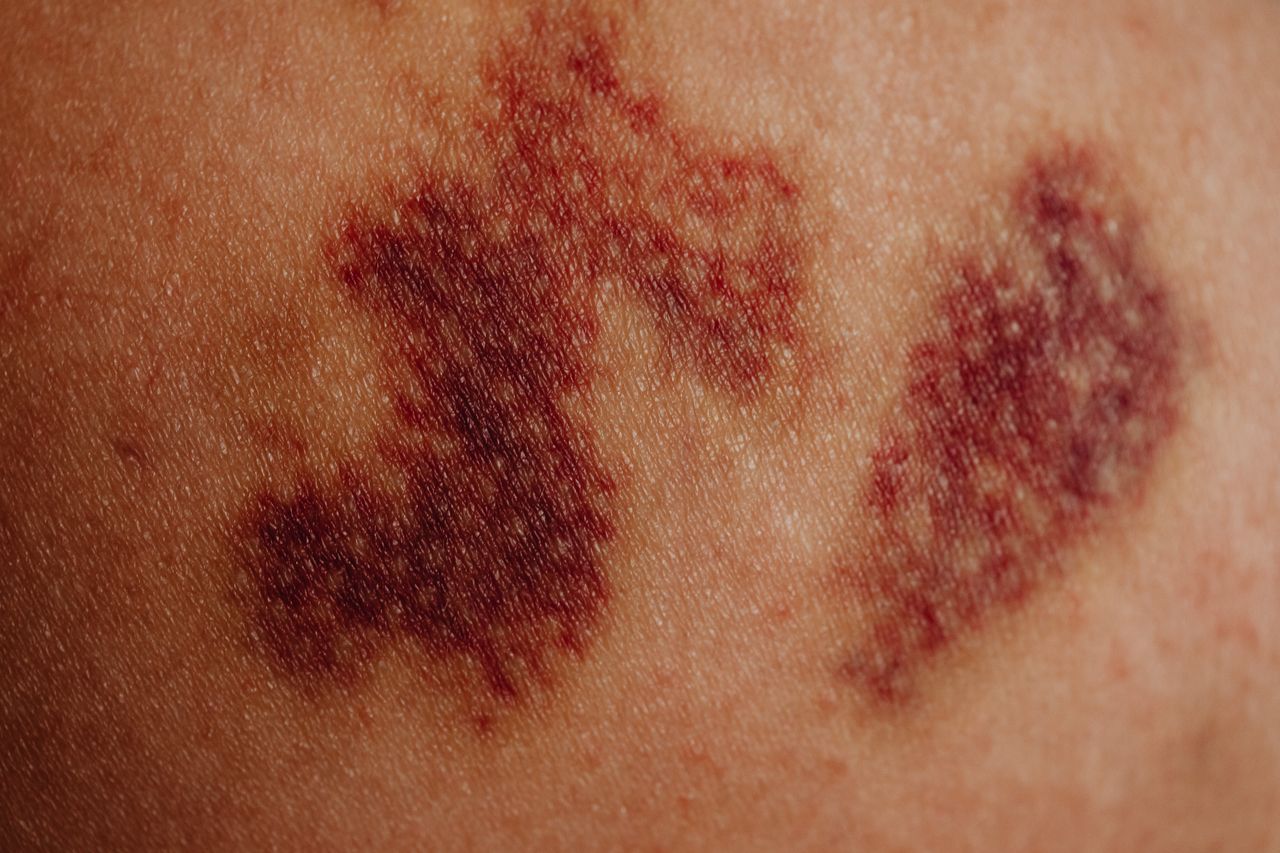
Knees darken easily enough, but when dark patches show up out of nowhere, they stand out more and can warrant a proper look. The shift in tone might trace back to friction, parched skin, a rash that has cleared, a small scrape, or post-inflammatory hyperpigmentation. Other times, patches that feel thick, velvety, and dark point toward acanthosis nigricans and underlying insulin resistance. Pinning down what is going on usually comes down to how the patch looks and feels, when it showed up, and whether anything else is happening alongside it.
What Causes Sudden Dark Spots on Knees?
Friction, pressure, and dryness
When these spots appear suddenly, remember that knees take routine abuse from kneeling down, snug clothes, workouts, and brushing against hard floors. Rubbing wears down the outer skin barrier, and when that skin dries out and thickens, it takes on a darker cast. When skin is rubbed over and over, it can churn out extra pigment, an effect seen more often on deeper skin tones. Should the color sit right over the kneecap while the skin feels rough or parched, physical irritation is a sensible explanation.
Post-inflammatory hyperpigmentation
Even after the underlying inflammation has completely cleared, abrupt dark knee spots can linger behind. Known as post-inflammatory hyperpigmentation, this can happen on the heels of eczema, psoriasis, bug bites, scrapes, burns, skin infections, or general irritation. Even after the initial rash clears, patches of brown, gray-brown, or darker skin can stay behind. These marks usually look darker and take longer to fade on darker skin. According to DermNet, inflammation can trigger excess melanin production, leaving pigment trapped in the skin once the area heals.
Eczema, psoriasis, or another skin condition
Dark spots that suddenly appear on the knees might stem from an active or recent skin condition, not just isolated pigmentation. Psoriasis frequently targets the knees, creating distinct, thickened patches covered in scales. Eczema brings on itching, dry patches, and inflammation, which can eventually lead to pigment shifts. The American Academy of Dermatology points out that dark patches can linger after psoriasis or other inflammatory conditions resolve, especially on darker skin.
Acanthosis nigricans
A sudden darkening on the knees can occasionally point to acanthosis nigricans, which turns the skin darker, thicker, and often somewhat velvety. While it typically crops up around the neck, armpits, and groin, it can also show up on knees, elbows, knuckles, and elsewhere. It frequently links back to insulin resistance, obesity, prediabetes, or diabetes, but it can also develop without any underlying medical condition. This is not everyday surface grime, so standard washing and hard scrubbing will not take it off.
Medication-related pigmentation
Some medications can cause the skin to darken. What lies behind it depends on the specific drug, how much was taken, for how long, and how a person reacts. Never drop a prescribed medication on your own simply because the skin changed color after starting it or taking a supplement. Bring it to your clinician or pharmacist instead, letting them work out if the drug is actually behind it.
Why Do Sudden Dark Spots on Knees Appear Quickly?
Why pigmentation can seem sudden
Calling it “sudden” is often inaccurate, as you might only catch the darkening once the root issue has already been running for a while. Irritated spots often darken under repeated rubbing, much like a rash leaving residual color behind once the active flare has settled. Because acanthosis nigricans normally takes its time, any fast-spreading velvety darkening warrants a visit to a doctor.
Think back to the skin’s texture and appearance right before the darkening set in. Signs like itching, flaking, splits in the skin, swelling, soreness, redness, or a recent scrape all lean toward inflammation or physical irritation. Matching dark patches across the neck, underarms, groin, elbows, or knuckles make it sensible to get checked for acanthosis nigricans.
How Can You Tell What Is Causing Sudden Dark Spots on Knees?
Look at texture and symptoms
The shade by itself won’t tell you the underlying issue. Smooth brown patches left behind by a rash lean toward post-inflammatory hyperpigmentation, whereas raised, flaking areas point toward psoriasis or a different inflammatory skin condition. A velvety, raised feel that shows up across multiple skin folds usually aligns with acanthosis nigricans. Skin that feels coarse without showing any rash could easily stem from plain dryness or steady rubbing.
Consider recent triggers
Review anything that touched the area lately: kneeling, athletics, unwashed or stiff fabric, heavy scrubbing, razors, lotions, scrapes, bug bites, or bouts of scratching. Starting a different prescription or drug could also be a factor. Snapping a picture the moment the spot appears gives both you and your doctor a baseline to see if it grows, fades, or alters in feel over time.
Check for associated skin changes
Dark knee patches appearing out of nowhere warrant closer attention if you also notice fast-spreading pigment in other spots, heavy itching, stubborn flaking, open sores, bleeding, tenderness, swelling, or thickened skin. An abrupt, broad shift across the skin is not something you should write off as merely an appearance problem.
How to Treat Sudden Dark Spots on Knees
Start with gentle skin care
Stay away from harsh bleaching agents, rough exfoliating mitts, and hard scrubbing. Irritation makes inflammation worse, which in turn leads to extra post-inflammatory pigment. Stick to a mild cleanser and an unscented moisturizer, especially whenever the knees feel rough or dry. Cutting down on repetitive rubbing and pressure will also help keep irritation from getting worse.
Treat the underlying condition
When an infection, eczema, psoriasis, or another inflammatory trigger brings on the dark patches, managing that diagnosis matters far more than rushing to bleach the skin. According to the AAD, once whatever is driving the hyperpigmentation is brought under control, the dark patches often fade on their own over time.
Use sun protection when the area is exposed
Shorts, skirts, and time outside can leave knees taking in a lot of sun. A broad-spectrum sunscreen helps keep UV rays from deepening the discoloration that is already there. For hyperpigmented areas that get sun, DermNet advises using broad-spectrum SPF 50+.
Be cautious with lightening products
While certain types of hyperpigmentation respond to ingredients like azelaic acid, vitamin C, retinoids, or hydroquinone, picking the right one comes down to your diagnosis and how sensitive your skin is. Harsh acids, bleaching concoctions, and unregulated formulas risk inflaming your skin and can actually make dark spots worse. A dermatologist can match a treatment to your skin type and whatever is actually causing the spots.
When Should You See a Doctor?
Signs that warrant medical assessment
If the dark patches on your knees truly appeared out of nowhere, get them looked at if they spread quickly, linger without any clear cause, or feel thick and velvety. Because an abrupt onset can occasionally point to an underlying medical issue, rare as that may be, the American Academy of Dermatology urges people to see a dermatologist promptly if acanthosis nigricans appear suddenly.
Getting checked also makes sense when the darkening shows up across typical locations like the neck, armpits, groin, elbows, knees, or knuckles. Along with checking your skin, a clinician might order blood work or other tests if they feel it is warranted. Prediabetes, diabetes, thyroid disorders, and various other conditions can all be linked to acanthosis nigricans.
Skip the home remedies and see a doctor right away if the patches hurt, bleed, break down into open sores, appear infected, or shift quickly in color or shape. Unexplained or lingering skin darkening stems from a variety of sources, and any therapy delivers the best outcome only after you pin down the actual cause.
Can Home Remedies Remove Sudden Dark Spots on Knees?
Safer home-care measures
While at-home routines can help maintain your skin’s outer barrier, they should never serve as a substitute for an actual diagnosis if you do not know what caused the issue. Putting on moisturizer consistently, cutting back on excess friction, and tossing out harsh skincare items are all sensible places to start. Applying lemon juice, neat acids, gritty exfoliators, or DIY lightening pastes is a bad idea, as physical scraping and chemical trauma only provoke more inflammation and deeper staining.
When dark skin develops after a scrape, cut, or flare-up, expect any lightening to take weeks or months instead of resolving in a couple of days. Once the primary irritation dies down, post-inflammatory hyperpigmentation tends to soften and fade step by step. According to the AAD, plenty of hyperpigmented spots lighten naturally once you address what set them off, even if the turnaround is quite gradual.
What a dermatologist may check
The clinician will start by assessing the mark’s shade, edge definition, surface feel, depth, and where it falls on the body. Expect questions about when you first spotted the dark areas, if they itch or peel, whether you injured the skin or had an earlier rash there, and if similar patches have popped up anywhere else.
When the patch looks like acanthosis nigricans, doctors may run tests to check for underlying issues like diabetes or prediabetes. Which tests you actually need will hinge on your specific symptoms and past medical history. You will not need a biopsy for every dark spot, though doctors might turn to one now and then if the diagnosis stays doubtful.
Key Takeaways
- Friction, dry skin, resolving inflammation, eczema, psoriasis, drug-induced pigment changes, or acanthosis nigricans can all cause dark knee spots to show up abruptly.
- Flat patches left behind by irritation usually turn out to be post-inflammatory hyperpigmentation, which may slowly lighten once you remove the irritant.
- Dark skin with a thick, velvety feel on the knees or in skin folds may point to acanthosis nigricans, meaning a check for insulin resistance or similar problems could be in order.
- Do not scrub hard or use strong lightening products, as provoking the skin further can make the darkness worse.
- Get a doctor to look at the spot if it appeared out of nowhere, spreads fast, will not go away, feels thickened, or comes with other troubling signs.
Conclusion
A sudden knee patch is not always cause for major concern, but figuring it out requires weighing its texture, timing, accompanying signs, and any similar patches on the body. Rubbing and past inflammation often account for the marks, but issues like psoriasis and acanthosis nigricans call for a targeted plan. Treating the area gently, cutting back on friction, and keeping the skin shielded from UV light can help it fade over time, though fast-appearing or unexplained pigment still warrants a doctor’s visit.
Also Read: Dark Dry Patch of Skin on Ankle



One thought on “Sudden Dark Spots on Knees: Causes, Treatment, and When to Get Help ”